
Navigating the Cybersecurity Challenges in Freight Management Systems
02 December 2025

In freight management, integrating digital technologies has unlocked unparalleled efficiency and innovation.
However, this progress comes with its share of challenges, especially growing cybersecurity threats. From data breaches to ransomware attacks, vulnerabilities in freight systems can lead to severe disruptions across supply chains.
To mitigate these risks, effective cybersecurity solutions tailored to the unique challenges and regulations of the logistics sector are essential.
Cario’s Freight Management System (FMS) is built with robust cybersecurity measures, including encrypted data handling, role-based access controls, and continuous system monitoring, ensuring secure and compliant freight operations across the supply chain.
This blog explains the cybersecurity challenges in freight management systems, shedding light on their impact, mitigation strategies, and the critical role of robust cybersecurity measures in safeguarding the logistics sector.

Let's Get Straight to the Point
Freight management systems face growing cybersecurity challenges due to digitalisation and reliance on advanced technologies like AI, IoT, and blockchain.
Key risks include data breaches, ransomware attacks, and maritime security and supply chain network vulnerabilities.
Addressing these threats requires robust cybersecurity measures, continuous monitoring, employee training, and adopting a zero-trust framework.
Managing logistics with a structured approach to addressing cyber risks is important for practitioners in the transport and logistics sector, emphasising strategic planning and appropriate security measures throughout various stages of logistics management.
Companies must also integrate sustainability, comply with global cybersecurity regulations, and leverage advanced analytics to enhance resilience.
By prioritising cyber risk management, the logistics sector can mitigate threats, protect sensitive data, and ensure the smooth flow of global supply chains.
Understanding the Importance of Cybersecurity
Cyber security has become a critical priority for the freight management industry. As freight systems increasingly rely on digital technologies, the risk of cybersecurity challenges in freight management systems continues to grow.
These challenges pose serious threats to sensitive data, critical systems, and the overall efficiency of the supply chain network.
Cyber threats, from data breaches to ransomware attacks, can have far-reaching consequences, negatively impacting businesses and the broader supply chain.
Protecting against such attacks requires implementing robust cybersecurity measures, ensuring that sensitive information remains secure and the supply chain operates without disruptions.
By adopting a proactive approach, companies can safeguard their operations, protect their network, and address the cybersecurity challenges facing the transportation industry.
Key Benefits of Cybersecurity
Protects sensitive data and prevents data breaches.
Minimises risks of supply chain disruptions.
Secures critical systems against cyber attacks.
Builds trust among stakeholders and customers.
Enhances the resilience of supply chain networks against cybersecurity issues.
Improves compliance with cybersecurity regulations to avoid penalties.
The Impact of Digitalisation on Freight Management
Digitalisation has revolutionised the freight management industry, introducing advanced technologies like artificial intelligence, blockchain technology, and the Internet of Things (IoT).
These technological innovations have improved fuel efficiency, streamlined logistics services, and enhanced last-mile delivery. With global supply chains adopting these innovations, freight management has become more interconnected and efficient.
However, this transformation has also introduced a broad range of cybersecurity issues. Integrating operational and information technology has expanded the attack surface, making freight systems more vulnerable to cyber risks. Therefore, managing logistics with a structured approach to address these cyber risks is crucial for ensuring the security and efficiency of digitalised freight systems.
Risks of Digitalisation in Freight Management
Data breaches exposing sensitive information, such as customer details and financial records.
Increased risk of social engineering and ransomware attacks, where attackers exploit human error to access critical systems.
Vulnerabilities in IoT devices that attackers can exploit to compromise entire networks.
Challenges in maintaining software updates, which are critical to addressing newly discovered vulnerabilities.
Increased reliance on new technologies, which require robust cybersecurity measures to prevent exploitation.
To mitigate these risks, companies must adopt best practices such as frequent software updates, employee training programs, and a zero-trust security framework.
These steps are essential to ensuring the resilience of supply chains in a highly digitalised environment.
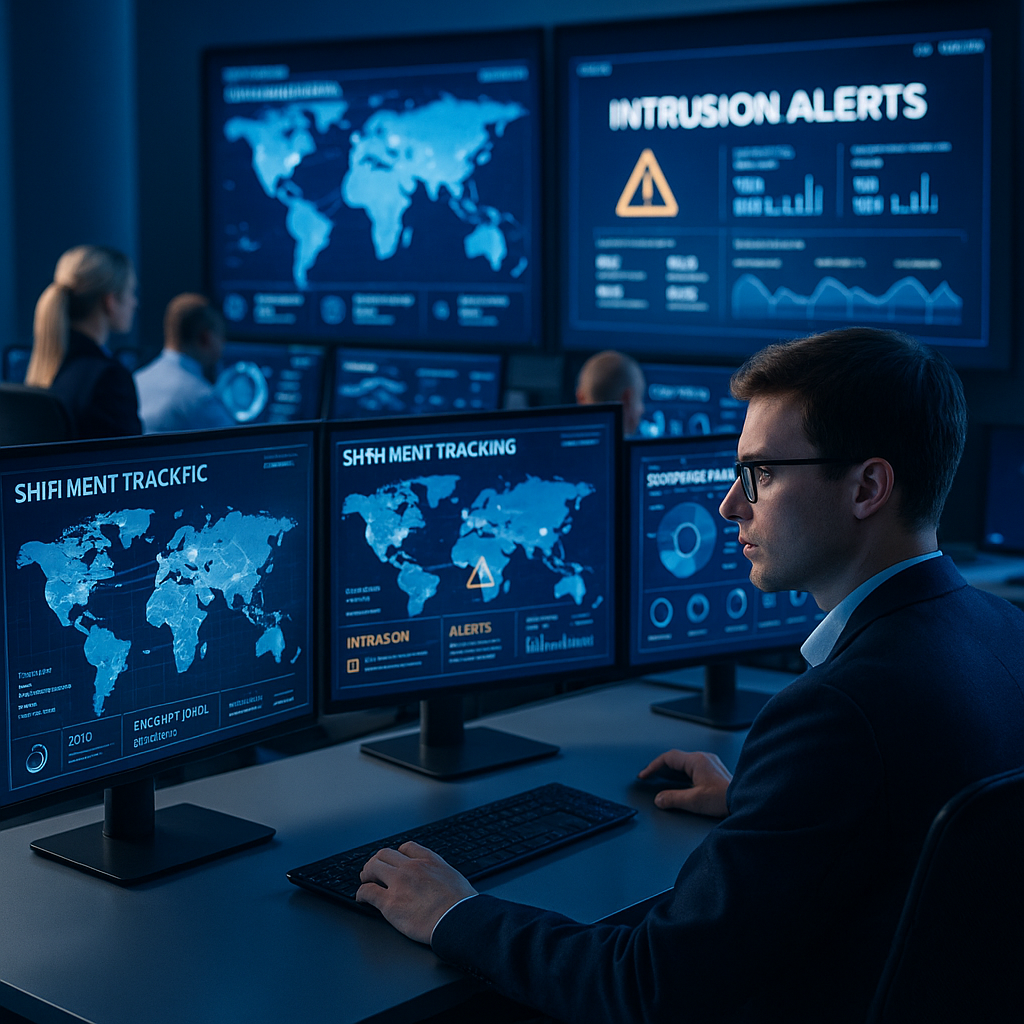
Cybersecurity Challenges in Freight Management
Addressing the cyber security challenges in freight management systems requires understanding the complexity of the issues.
Freight systems involve interconnected networks, systems, and infrastructure, making identifying and addressing vulnerabilities difficult.
This interconnectedness means that a single cyber incident can have cascading effects across the supply chain network.
Significant Challenges
Data breaches compromising sensitive data, leading to financial and reputational damage.
Lack of cybersecurity awareness among employees, increasing the likelihood of human error.
Increased reliance on new technologies, which can introduce unforeseen risks.
The evolving nature of cybersecurity threats, requiring continuous monitoring and adaptation.
Difficulties in implementing security measures across global supply chains, where infrastructure and regulations vary significantly.
By implementing robust cybersecurity measures, companies can protect their critical systems and prevent cybersecurity issues from disrupting operations. Fostering a cybersecurity awareness and accountability culture is also crucial for mitigating human error.
Maritime Cyber Risk Management
The maritime industry plays a crucial role in global trade but faces unique cybersecurity challenges. Maritime cyber risk management is vital for ensuring the safety and security of supply chains.
With ships, ports, and associated infrastructure relying on digital systems, vulnerabilities can lead to significant disruptions.
Key Aspects of Maritime Cybersecurity
Cyber threats targeting maritime infrastructure can disrupt operations and compromise sensitive information. Attacks on shipboard systems, such as navigation or cargo tracking, can have severe consequences.
A lack of maritime security measures can lead to significant financial and operational losses. For example, a ransomware attack on a port can halt operations for days, causing delays and escalating costs.
Effective maritime cyber risk management requires collaboration among countries and adherence to international cybersecurity regulations, such as the International Maritime Organisation’s (IMO) guidelines.
Implementing robust cybersecurity measures in the maritime industry can prevent supply chain disruptions and protect sensitive data, ensuring the smooth flow of goods across global supply chains. It is also critical for maintaining the resilience of the global logistics sector.
Supply Chain Management and Cybersecurity
Effective supply chain management, including managing logistics, is essential for maintaining the integrity of supply chains. In this context, cybersecurity is critical to supply chain management, ensuring that sensitive data and logistics services remain secure.
Strategies for Strengthening Cybersecurity in Supply Chain Management
Adopting advanced technologies like blockchain technology for secure data sharing. Blockchain can provide an immutable record of transactions, ensuring data integrity and security.
Conducting regular risk assessments to identify and mitigate potential cyber risks. These assessments help organisations stay ahead of cybersecurity challenges.
Establishing a zero trust framework to minimise the risk of unauthorised access. This approach verifies every user and device before granting access to critical systems.
Collaborating with other countries and stakeholders to address global cybersecurity challenges. This includes sharing threat intelligence and standardising security practices.
By integrating cybersecurity measures into supply chain management, companies can prevent disruptions, protect their sensitive information, and ensure the seamless functioning of the supply chain network.
Building Cyber Resilience in Freight Management
Building cyber resilience is essential for addressing the cyber security challenges in freight management systems.
A proactive approach to cyber risk management can help companies avoid emerging threats and minimise the impact of cyber incidents.
Key Steps to Building Cyber Resilience
Employee Training: Conduct regular training programs to raise awareness about cybersecurity threats and best practices. Employees must understand their role in preventing cyber risks.
Continuous Monitoring: Advanced analytics can be used to identify and respond to potential threats in real time. Continuous monitoring enables companies to detect and mitigate threats before they escalate.
Robust Security Measures: Implement layered security measures to protect against cyber attacks and prevent data breaches. These measures include firewalls, intrusion detection systems, and endpoint protection.
Ecosystem-Wide Approach: Collaborate with stakeholders across the supply chain network to address shared cyber risks. This approach ensures that vulnerabilities are identified and addressed collectively.
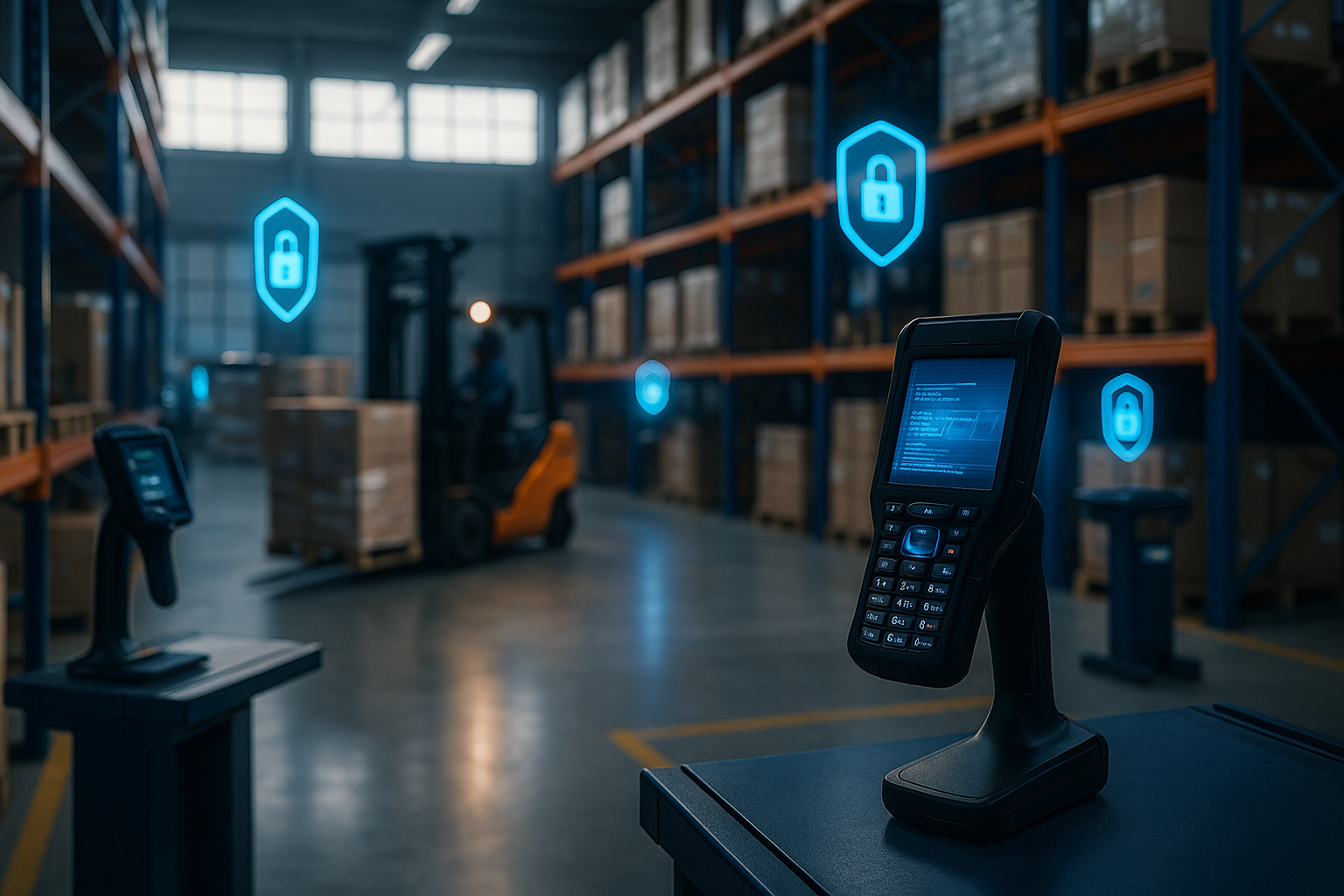
Secure Smart Warehouse & IoT Devices
Regulatory Compliance and Cybersecurity
1. Importance of Regulatory Compliance in Freight Management
Regulatory compliance is a cornerstone of the freight management industry, ensuring that operations are safe, lawful, and efficient. Adhering to international and local regulations is not just a legal obligation but a critical component of risk management.
Non-compliance can lead to severe legal penalties, financial losses, and irreparable damage to a company’s reputation. Freight management companies must navigate a complex landscape of regulations, including transportation safety, environmental standards, and data protection laws.
Organisations such as the Oil Companies International Marine Forum (OCIMF), the Baltic and International Maritime Council (BIMCO), and the Cruising Lines International Association (CLIA) provide guidelines that help companies maintain high safety and security standards.
By following these guidelines, companies can mitigate risks and ensure the smooth operation of their supply chains.
2. Adapting to Australian Regulatory Standards
The freight management industry in Australia operates under stringent regulations designed to ensure safety, efficiency, and sustainability. Compliance with these regulations is essential for maintaining operational integrity and avoiding legal repercussions.
Australian freight companies must adhere to the Heavy Vehicle National Law (HVNL) and the National Heavy Vehicle Regulator (NHVR), which set standards for vehicle safety, driver fatigue management, and load restraint.
Environmental regulations also play a significant role, requiring companies to meet emission standards and adopt eco-friendly transportation methods.
By aligning their operations with these regulations, Australian freight companies can enhance their sustainability efforts while ensuring compliance with national and state legislation.
3. Navigating Trade and Customs Regulations
Navigating complex customs regulations is critical to operations for Australian freight companies engaged in international trade. Compliance with Australian Border Force regulations is essential for smooth cross-border transactions.
These regulations cover various aspects, including tariff classifications, valuation, duty payments, and adherence to Australia's specific trade agreements with other countries.
Understanding and complying with the regulations of trading partner countries is equally important to avoid potential issues or penalties.
By staying informed about international trade laws and customs requirements, Australian freight companies can ensure seamless operations and maintain the integrity of their supply chains.
Data Protection and Cybersecurity
Importance of Data Protection in Freight Management
Data protection is paramount in the freight management industry due to the sensitive nature of the information handled, including customer data, shipment details, and financial records.
The increasing digitisation of freight operations has led to a surge in cyber threats, making it imperative for companies to invest in robust cybersecurity measures. Protecting sensitive data against breaches is a legal requirement and critical to maintaining trust and operational integrity.
Companies must adhere to data protection laws, such as the Privacy Act, which sets standards for handling personal information. Implementing comprehensive cybersecurity measures, including encryption, access controls, and regular security audits, can help safeguard sensitive data.
By prioritising data protection, freight management companies can mitigate cyber threats and ensure the security of their operations.
By integrating these new sections, the article will provide a comprehensive overview of the importance of regulatory compliance and data protection in addressing the cybersecurity challenges in freight management systems.
The Role of Advanced Analytics in Freight Management
Advanced analytics transforms how companies manage logistics, supply chain management, and cybersecurity. Companies can optimise their operations and reduce risks by leveraging data and insights.
Benefits of Advanced Analytics
Improved decision-making by identifying vulnerabilities and opportunities. Analytics tools can provide actionable insights to enhance risk management.
Enhanced supply chain network optimisation for better efficiency and cost reduction. Companies can streamline their logistics operations and reduce inefficiencies.
Proactive identification of cybersecurity threats. Predictive analytics can anticipate potential threats and recommend preemptive actions.
Strengthened supply chain cybersecurity through predictive models and simulations. These tools help organisations simulate attack scenarios and develop effective countermeasures.
Technological innovations like artificial intelligence empower companies to address cybersecurity challenges and build more resilient logistics systems.
Sustainability and Environmental Compliance in Freight Management
Sustainability is becoming a driving force in the logistics sector. Companies can reduce their environmental footprint by managing logistics with sustainable practices while enhancing their cybersecurity measures.
Sustainable Practices for Freight Management
Using advanced technologies to optimise routes and improve fuel efficiency. This reduces costs and environmental impact.
Adopting blockchain technology for transparent and secure tracking of goods. Blockchain enhances both sustainability and security.
Ensuring compliance with environmental and cybersecurity regulations. Companies must align their practices with global standards to avoid penalties.
Reducing waste and improving efficiency across the supply chain. This includes optimising packaging and streamlining operations.
By integrating sustainability with supply chain cybersecurity, companies can simultaneously address environmental and security concerns, ensuring long-term viability and compliance.
Navigating Global Challenges and Opportunities in Freight Management
The freight management industry operates in a dynamic global environment, facing challenges and opportunities. Navigating these requires addressing cyber security challenges while adapting to evolving market demands.
Global Trends and Challenges
Increased reliance on e-commerce and last-mile delivery, which demand fast and secure logistics solutions.
Rising cyber threats targeting global supply chains, especially with the growing use of emerging technologies.
Need for compliance with international cybersecurity regulations to ensure the integrity of global operations.
Adapting to emerging technologies while mitigating associated cyber risks. Companies must balance innovation with security.
By implementing robust cybersecurity measures and embracing new technologies, companies can secure their place in the global market and ensure the resilience of their supply chains.
Conclusion
Navigating the cybersecurity challenges in freight management systems is no small feat, but it is essential for ensuring the smooth functioning of the transport sector and global trade.
By adopting a proactive approach and leveraging advanced technologies, companies can address these significant challenges, protect their critical systems, and build resilient supply chains.
The logistics sector can overcome cybersecurity threats and thrive in an increasingly digital world by focusing on robust cybersecurity measures, sustainable practices, and continuous innovation.
FAQs
1. What are the main cybersecurity challenges in freight management systems?
Freight management systems face risks like data breaches, ransomware attacks, and vulnerabilities in IoT devices and operational technology. These threats can compromise sensitive data and disrupt supply chain networks, requiring proactive mitigation measures.
2. Why is cybersecurity important in the logistics sector?
Cybersecurity is critical for protecting sensitive information, ensuring uninterrupted supply chain operations, and preventing cyber attacks. Robust cybersecurity measures help safeguard critical systems and maintain trust among stakeholders.
3. What is maritime cyber risk management?
Maritime cyber risk management focuses on protecting digital systems in the maritime industry, such as navigation, cargo tracking, and port operations. It aims to prevent cybersecurity incidents that could disrupt global supply chains.
4. How can companies build cyber resilience in freight management?
Companies can build resilience by implementing robust security measures, conducting regular employee training, and using advanced analytics to monitor threats. A proactive approach to cyber risk management is key to mitigating potential incidents.
5. What role does technology play in improving supply chain cybersecurity?
Advanced technologies like AI, blockchain, and predictive analytics help identify vulnerabilities, secure data, and optimise supply chain networks. These tools enhance protection against cyber threats and ensure operational efficiency.