
In the world of logistics and shipping, understanding the different types of freight transportation is crucial for choosing the most cost-effective and efficient shipping method.
Two of the most commonly used freight options are Less Than Truckload (LTL) and Full Truckload (FTL) shipping. Both methods have distinct characteristics, benefits, and use cases, making it essential to understand the differences between them when deciding how to ship goods.
This article will provide an in-depth analysis of LTL and FTL shipping, explaining their features, advantages, and disadvantages and offering insights into how to choose the best shipping method based on your needs.
With platforms like Cario and the expertise of Freight People, businesses can easily compare LTL and FTL options in one place—balancing cost, speed, and capacity to choose the most efficient shipping method for every consignment.
Let's Get Straight To The Point
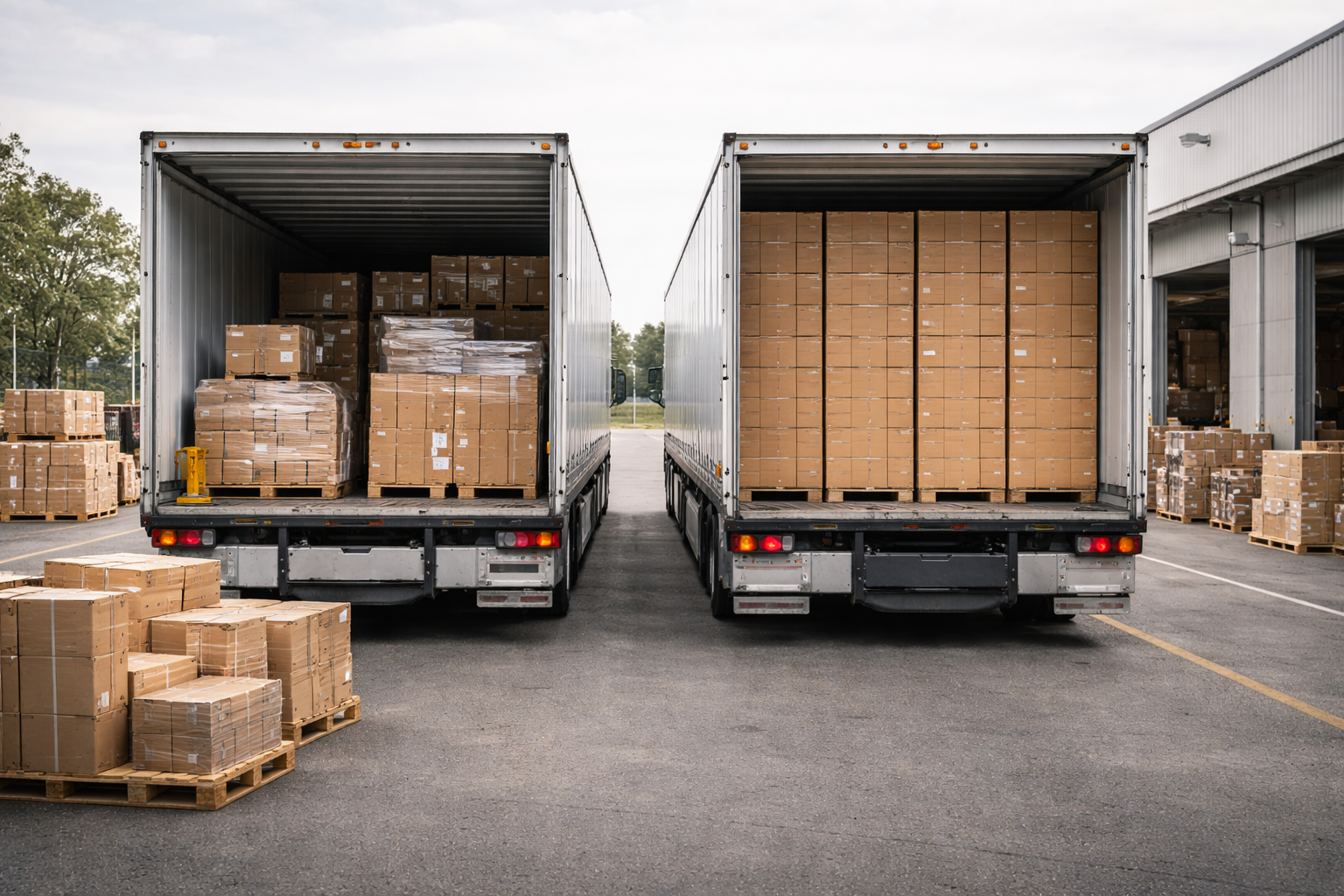
LTL (Less Than Truckload) and FTL (Full Truckload) are two common shipping methods, each with unique advantages. LTL is cost-effective for smaller shipments, as it consolidates goods from multiple shippers into one truck but may involve longer transit times and more handling, increasing the risk of damage. FTL, where one shipment fills an entire truck, is faster, more secure, and offers greater control but is more expensive and less flexible, making it ideal for larger, time-sensitive, or high-value shipments. LTL is best for small, non-urgent loads, while FTL is better for large, urgent shipments requiring faster delivery and less handling.
What is LTL Shipping?
Less Than Truckload (LTL) shipping refers to the transportation of freight that does not require an entire truck. In LTL shipping, multiple shipments from different customers are consolidated into one truck. The cost of the truck is shared among these customers based on the space their shipments occupy.
For Freight People and businesses, LTL is an attractive option when the volume of goods is relatively small, and full truckload shipping would be inefficient and unnecessary. LTL allows companies to reduce costs by sharing the truck's space rather than paying for a full truck's worth of space they won’t fully utilise
How LTL Shipping Works
LTL shipping operates by pooling freight from multiple shippers, typically within the same geographic area, into one truck. These goods are loaded into the truck at a warehouse or terminal and transported to a central hub, where they may be reloaded and redistributed to different locations.
For example, if several companies need to ship goods within the same region, they can share the same truck, significantly reducing the cost of transportation. Once the truck reaches its destination, the goods are unloaded and delivered to their respective destinations.
Benefits of LTL Shipping
Cost-Effective: Since you're only paying for the portion of the truck your freight occupies, LTL shipping is a more affordable option than FTL for smaller shipments.
Flexibility: LTL offers flexibility in shipping smaller quantities of goods, making it ideal for businesses with lower-volume shipments.
Reduced Environmental Impact: By consolidating multiple shipments into one truck, LTL helps reduce the overall carbon footprint of transportation.
Access to Multiple Destinations: LTL carriers often serve a wide network of locations, which means your goods can be delivered to multiple destinations in a more efficient manner.
Challenges of LTL Shipping
Longer Transit Times: LTL shipments are often slower than FTL because of multiple stops and transfers between different facilities. Each time the truck is unloaded and reloaded, it adds time to the journey.
Higher Risk of Damage: With many shipments being handled and transferred multiple times during transit, there’s a higher chance of freight getting damaged.
Limited Control Over Delivery: Because LTL involves multiple stops, the delivery schedule may not be as predictable as FTL, potentially leading to delays.
What is FTL Shipping?
Full Truckload (FTL) shipping involves the transportation of goods that fill an entire truck. In FTL shipping, a single shipment occupies the entire truck space, and the truck is dedicated exclusively to that one load.
For Freight People managing larger shipments, FTL shipping offers a faster, more efficient option for transporting goods without sharing space with other shipments. This method is ideal when a company has a large volume of goods that require timely and secure delivery.
How FTL Shipping Works
With FTL shipping, the entire truck is reserved for one customer, and it typically involves the direct transportation of goods from the origin point to the destination, with no stops in between. The truck is loaded with a large volume of goods, and once loaded, it travels directly to the delivery point without transferring the cargo to other vehicles.
The key difference from LTL is that there are no other shipments involved, which allows for more straightforward, efficient, and secure transportation.
Benefits of FTL Shipping
Faster Transit Times: Since FTL shipments go directly from the point of origin to the destination without additional stops or transfers, they tend to have faster transit times compared to LTL.
Greater Security: With only one shipper’s goods on board, the risk of damage or loss is lower compared to LTL, where multiple shipments are handled together.
More Control: Since the truck is dedicated to a single shipment, businesses can often have greater control over the delivery schedule and more predictable arrival times.
Reduced Handling: Fewer loading and unloading events reduce the chances of items being damaged during transit.
Challenges of FTL Shipping
Higher Costs: FTL shipping can be more expensive than LTL, especially if you’re not utilising the full truck capacity. The cost of booking the entire truck must be borne by one customer.
Less Flexibility: FTL is better suited for large shipments, and businesses with smaller needs may find this method to be overkill.
Key Differences Between LTL and FTL Shipping
Cost Comparison: LTL vs. FTL
One of the most significant differences between LTL and FTL shipping is the cost structure. LTL shipping is typically more affordable for smaller shipments, as the cost is shared between multiple shippers. FTL, on the other hand, involves paying for the entire truck, which can make it more expensive, especially if your shipment does not fill the truck.
If you have a shipment that only partially fills a truck, LTL will generally offer the better value. However, if you have enough freight to fill a truck, FTL may provide more cost-effective delivery in the long run.
Transit Time Comparison: LTL vs. FTL
FTL shipping is usually faster than LTL shipping. This is because FTL shipments go directly from origin to destination without additional stops for other shipments. LTL, however, may involve multiple stops, handling, and transfers, all of which can increase the overall transit time.
For businesses that need faster delivery and have the volume to justify an FTL shipment, this method is often preferable. However, if speed is not a major concern and you are shipping smaller quantities, LTL can still be a good option.
Handling and Security: LTL vs. FTL
FTL shipments generally offer higher levels of security and reduced risk of damage compared to LTL shipments. Since FTL shipments are not transferred between different trucks or warehouses, there is less handling of goods, which reduces the potential for damage.
In contrast, LTL shipments often go through multiple transfers, increasing the chances of items being mishandled. However, the added risk can often be mitigated with proper packaging and labelling.
Flexibility: LTL vs. FTL
LTL shipping offers more flexibility for businesses with smaller shipments. Since you're not paying for a full truckload, you can ship smaller quantities at a lower cost, which can be beneficial for businesses with variable shipment volumes.
FTL, on the other hand, is typically used when a shipment is large enough to fill an entire truck, making it less flexible if your needs change or if you’re shipping smaller quantities. However, the speed and security advantages of FTL may outweigh the lack of flexibility for larger shipments.
When to Choose LTL Shipping
Small Shipments
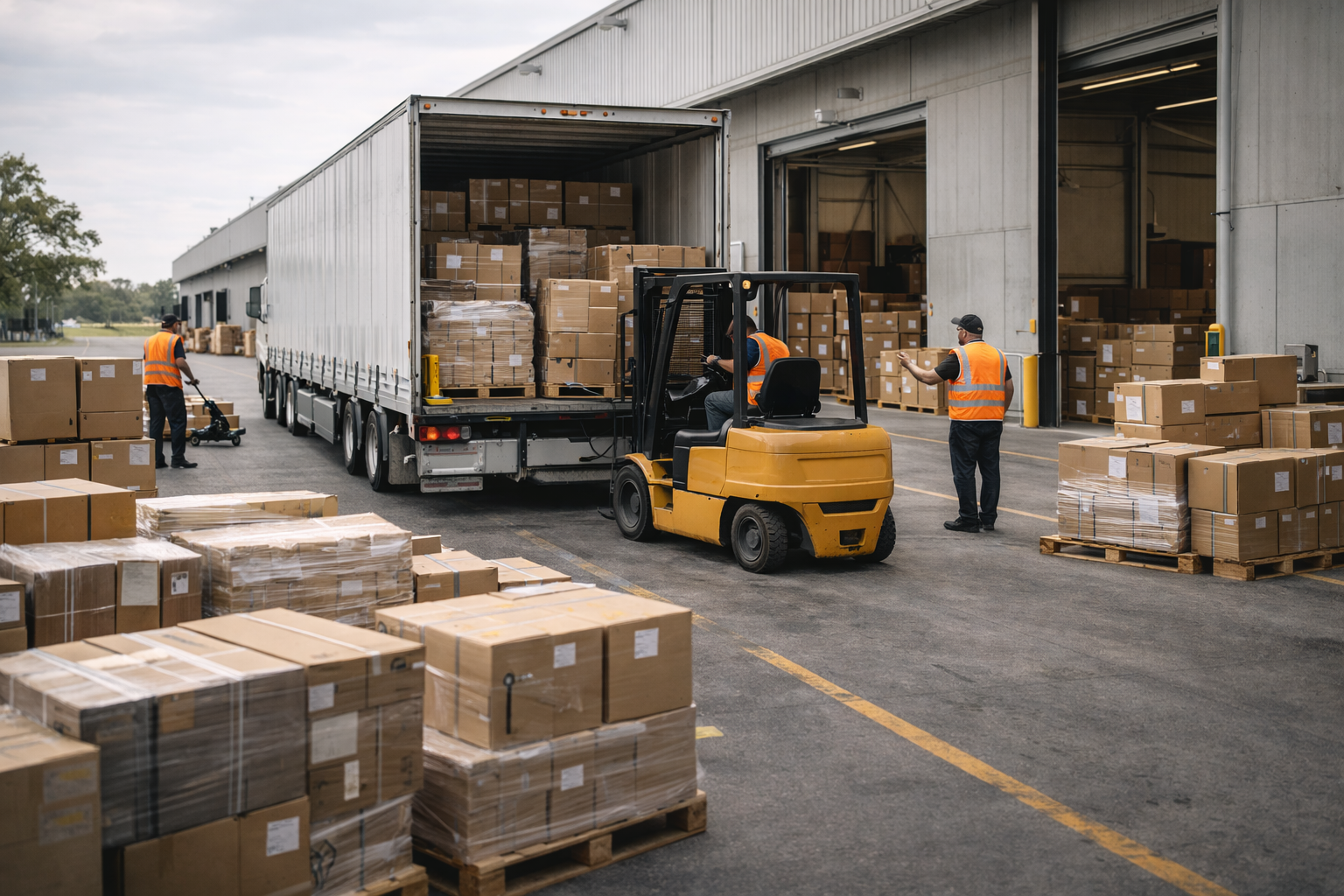
If your freight does not fill an entire truck, LTL is often the better option. You will only pay for the portion of the truck your goods occupy, making it an affordable choice for smaller loads.
Cost-Effective Shipping for Businesses with Lower Shipping Volumes
For Freight People who ship smaller quantities on a regular basis, LTL can help save money. It is ideal for businesses with fluctuating demand, as it allows them to avoid the higher costs associated with FTL shipping.
Non-Urgent Deliveries
LTL shipments may take longer to arrive at their destination due to multiple stops and handling, so if your shipment is not time-sensitive, LTL is a great option.
When to Choose FTL Shipping
Large Shipments
If your shipment is large enough to fill a truck, FTL is often the most efficient and cost-effective solution. Not only will you avoid the need to share space with other shipments, but you will also experience faster delivery times.
Time-Sensitive Freight
When you need to guarantee faster transit and delivery, FTL shipping is the best choice. The direct route with fewer stops makes it ideal for businesses with urgent or time-sensitive deliveries.
Fragile or Valuable Goods
If you are shipping high-value or fragile goods, the added security and reduced handling of FTL shipping can provide peace of mind and ensure the goods are less likely to be damaged during transit.
Conclusion
In the world of freight, understanding the differences between LTL and FTL shipping is essential for making informed decisions about how to transport goods. While LTL is ideal for smaller, less time-sensitive shipments that can share truck space, FTL is better suited for larger, more urgent shipments that require faster delivery times and reduced handling.
For Freight People managing logistics and transportation, knowing when to choose LTL versus FTL can save money and improve efficiency.
FAQs
When should I choose LTL shipping?
Choose LTL shipping if you have smaller shipments that don’t fill a full truck and if you want to reduce shipping costs. It is also a good option if you don’t have strict delivery time requirements and your goods are not highly fragile.
When should I choose FTL shipping?
Opt for FTL shipping when your shipment is large enough to fill a truck or when you need faster delivery times. It’s also ideal if you are shipping sensitive or valuable items that require extra care and reduced handling.
What are the cost differences between LTL and FTL shipping?
LTL shipping is generally cheaper because the cost of the truck is shared between multiple shippers. However, FTL shipping is more expensive as you are paying for the entire truck. For businesses with larger shipments, FTL can be more economical in the long run because you avoid sharing costs.
Which is faster: LTL or FTL?
FTL shipping is faster than LTL because the truck is dedicated to one shipment and travels directly to the destination without making additional stops or transfers. LTL shipping involves multiple stops and handling, which can add extra time to the delivery.
Can I track my LTL or FTL shipment?
Yes, both LTL and FTL shipments can be tracked in rreal time Most logistics providers offer online tracking tools that allow you to monitor the status and location of your freight, giving you full visibility of the shipping process.