
Delays in the freight industry are an unfortunate yet inevitable aspect of the logistics process.
Whether you are managing a small business or a large corporation, understanding how to handle delays effectively can significantly reduce the impact they have on your bottom line, relationships with clients, and overall operational efficiency.
At Cario, in collaboration with Freight People, we work closely with transport operators to improve visibility, streamline communication, and implement smarter freight management systems that help minimise the impact of delays and keep supply chains moving efficiently.
In this article, we will explore several strategies to manage delays in freight operations, focusing on practical approaches that can make all the difference in keeping your freight moving smoothly.

Let's Get Straight To The Point
Freight delays are inevitable, but businesses can minimise their impact through proactive planning, strong partnerships, and technology. Common causes include weather, traffic, customs issues, equipment failures, and supply chain disruptions.
To mitigate delays, companies should forecast demand, build buffer time, communicate with reliable carriers, leverage real-time tracking, optimise routes, manage inventory efficiently, and collaborate with third-party logistics providers (3PLs). Transparent communication with customers and monitoring delay trends help build trust and improve operations. Ultimately, being prepared, adaptable, and responsive is key to handling freight delays effectively.
Freight Delays: Causes and Impact
Before diving into how to handle delays, it's important to first understand the causes and potential impacts of these delays on the freight industry.
Causes of Freight Delays
Delays in freight can occur due to a variety of factors. Some of the most common causes include:
Weather Conditions: Unpredictable weather patterns such as storms, snow, or extreme heat can delay shipments. These conditions not only affect transportation vehicles but also create congestion at ports or customs checkpoints.
Traffic Congestion: In busy metropolitan areas or during peak seasons, freight shipments may be delayed due to traffic congestion. This is particularly common in the case of road transport.
Customs and Border Delays: International shipments are often delayed due to issues with customs clearance, inspection procedures, or incorrect documentation.
Equipment Failures: Malfunctions or breakdowns of transportation vehicles, containers, or machinery can result in significant delays, especially for long-distance shipments.
Supply Chain Disruptions: Shortages of raw materials, labour shortages, or disruptions in the supply chain can directly affect shipping schedules, causing delays.
Labour Strikes: Disputes and strikes among employees in the shipping or logistics sector may lead to freight delays.
The Impact of Freight Delays
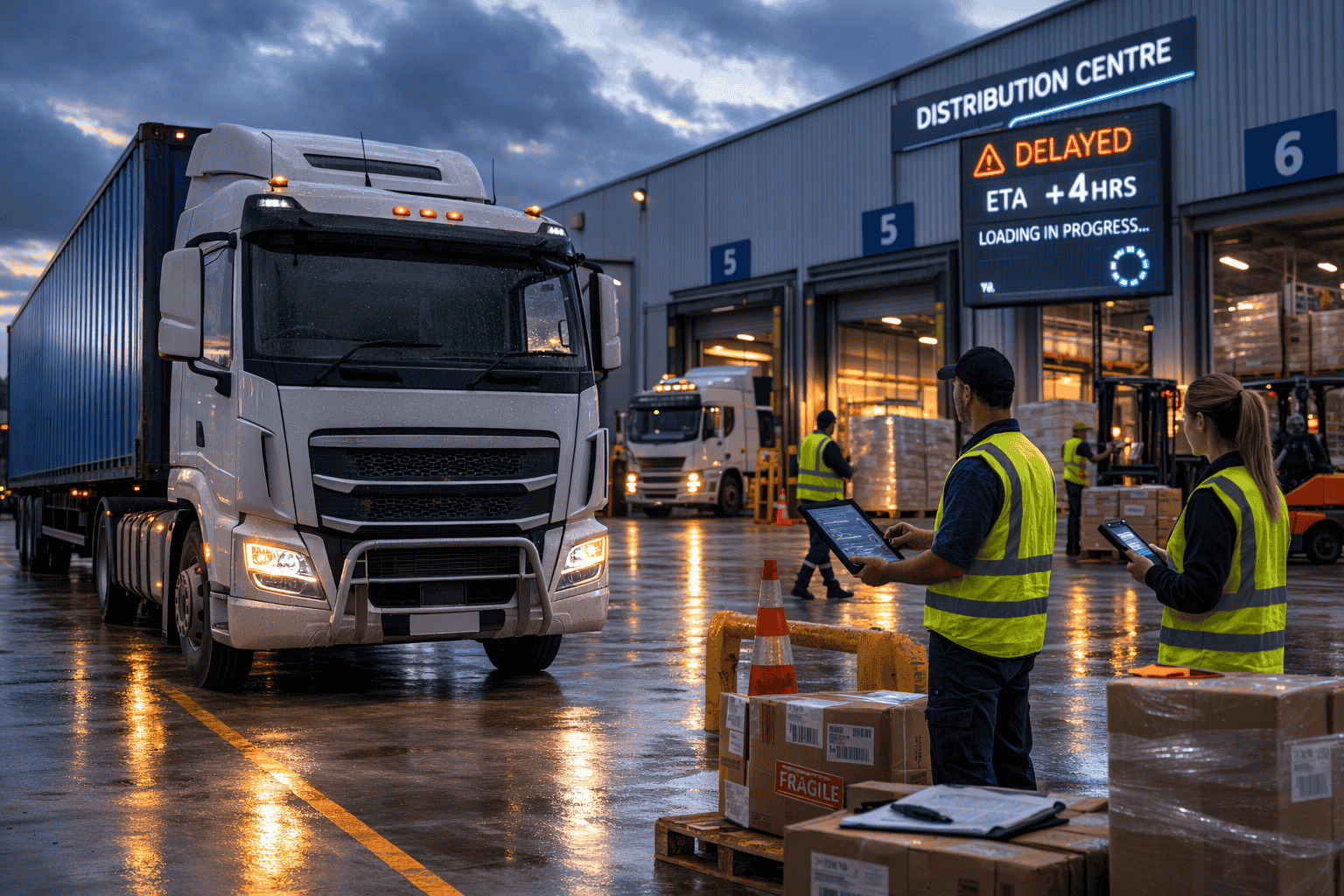
Delays in freight can have a ripple effect across various aspects of the business. Some of the key impacts include:
Customer Dissatisfaction: Late deliveries can lead to unhappy customers who may turn to competitors for more reliable service.
Increased Costs: Freight delays often result in higher operational costs, including overtime, storage fees, and re-routing charges.
Supply Chain Bottlenecks: When one part of the supply chain is delayed, it can cause bottlenecks that affect the entire operation, further increasing delays.
Lost Business Opportunities: Continuous delays can damage relationships with key business partners or clients, which may lead to lost contracts and future business opportunities.
How to Mitigate Delays in Freight Operations
While some delays are unavoidable, there are several strategies that freight managers and logistics professionals can use to minimise their frequency and impact.
1. Proactive Planning and Forecasting
For freight people, one of the most effective ways to reduce the risk of delays is through proactive planning and forecasting. By having a clear understanding of potential challenges, you can plan for them in advance.
Forecasting Seasonal Demand Fluctuations
Certain times of the year, such as holidays or shopping seasons, are known to experience higher-than-usual shipping volumes. Forecasting these fluctuations allows you to allocate extra resources or adjust shipping schedules accordingly.
Building Buffer Time
Scheduling buffer time into your shipment timelines can help accommodate any unforeseen delays. This extra time should be factored into delivery schedules to ensure goods arrive on time, even if a minor delay occurs along the way.
2. Building Strong Relationships with Carriers and Partners
Establishing strong relationships with carriers, transporters, and other partners can make a significant difference when it comes to handling freight delays. These partnerships allow for better communication and cooperation in the event of delays.
Consistent Communication
Frequent and transparent communication with your transport partners and freight handlers is key. Regular updates on the shipment status, any potential obstacles, and changes in route can help minimise unexpected delays.
Selecting Reliable Partners
Working with reliable freight companies that have a proven track record of timely deliveries will greatly reduce the chances of delays. Prioritise companies that value customer service and have contingency plans in place for potential disruptions.
3. Leveraging Technology for Real-Time Tracking
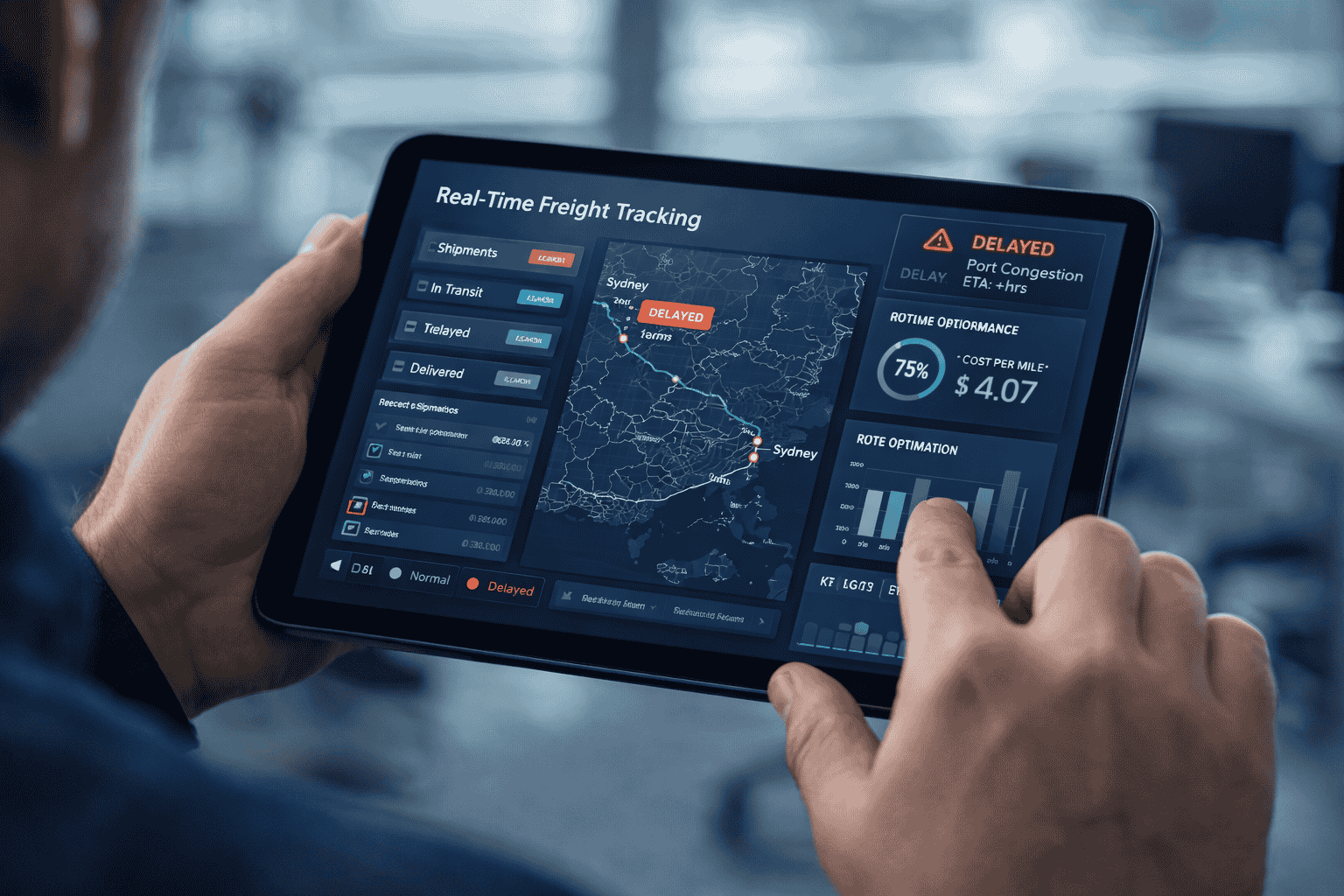
Technological advancements have made it easier than ever to track freight shipments in real-time. Using tracking technology allows both you and your customers to stay informed about any delays.
GPS and RFID Tracking
By incorporating GPS and RFID technology into your freight operations, you can monitor the exact location and condition of shipments. This allows for quicker identification of problems or delays along the route and immediate action to resolve them.
Shipment Management Software
Using shipment management software helps streamline the entire freight process, from scheduling to delivery. These tools allow you to manage delays, optimise routes, and maintain better control over shipment schedules. By providing predictive analytics, these platforms can also help anticipate delays before they occur.
4. Optimize Routes and Transport Modes
Another way to handle delays is to optimise the routes and modes of transport used for shipments. The faster and more efficient the route, the less likely delays will occur.
Rerouting During Unforeseen Events
In the event of unexpected disruptions such as road closures, weather conditions, or accidents, having backup routes and alternate transport modes in place can help mitigate delays.
Multi-modal Transport
Multi-modal transport involves using more than one mode of transportation (e.g., truck, rail, air, and sea) to get freight to its destination. This increases flexibility and can help avoid delays caused by infrastructure limitations or traffic congestion. For example, air freight might be used to bypass potential delays in sea or road transport.
5. Efficient Inventory Management
Delays in freight can cause disruptions not only in the transportation process but also within the warehouse and inventory management systems. Efficient inventory management systems can help minimise the impact of delays.
Advanced Inventory Systems
Using advanced inventory management systems can allow businesses to monitor stock levels and automatically update order statuses in real-time. This ensures that even if there is a delay, the freight team can quickly adjust operations to minimise impact on customers.
Just-in-Time Delivery
The just-in-time (JIT) inventory model helps reduce the chances of holding excess stock that can be tied up due to delays. While JIT minimises storage costs, it also means businesses need to be agile enough to react to unforeseen delays and make adjustments quickly.
6. Collaborating with Third-Party Logistics Providers (3PLs)
Outsourcing logistics to a third-party provider can help you manage delays more efficiently. 3PLs bring expertise, resources, and established processes that can help mitigate delays in freight.
Benefits of Using 3PLs
Expertise: 3PLs are experienced in handling freight operations and can quickly adjust to delays caused by traffic, weather, or customs.
Flexibility: By using a third-party provider, you gain the flexibility to scale your operations, allowing you to reroute or reschedule shipments without the need to invest in additional resources.
Risk Mitigation: 3PLs typically have contingency plans and alternative resources in place to manage disruptions, helping to reduce the impact of delays.
7. Transparent Communication with Customers
One of the most critical aspects of handling delays is maintaining open and honest communication with your customers. When freight is delayed, customers should be notified as soon as possible, along with an explanation of the reason for the delay and the new expected delivery time.
Proactive Customer Service
Being proactive with your customers and keeping them updated throughout the process helps mitigate frustration and shows that you are actively working to resolve the issue. Providing accurate and timely updates will also foster trust and loyalty, even when delays occur.
Offering Alternatives or Compensation
If the delay is significant, offering compensation, such as discounts, expedited shipping, or alternative solutions, can help maintain customer satisfaction. While this may increase short-term costs, it helps in the long run by ensuring customers return for future business.
8. Monitoring and Analyzing Delay Trends
Tracking and analysing delays over time can provide valuable insights into recurring issues or bottlenecks within your system. By identifying patterns, you can make informed decisions to prevent future delays.
Root Cause Analysis
Conducting a root cause analysis of past delays can help pinpoint the underlying factors that contribute to disruptions. Whether it’s a recurring issue with a certain carrier, route, or weather event, knowing the cause will allow you to implement targeted strategies to avoid future delays.
Continuous Improvement
Using the insights gained from monitoring delays, you can continuously improve your logistics operations. This may involve reevaluating suppliers, investing in new technologies, or shifting to more reliable routes and transport modes.
Conclusion
Freight delays are an inevitable part of the industry, but that doesn't mean businesses cannot minimise their impact. By employing proactive planning, optimising routes, leveraging technology, and maintaining strong relationships with partners, freight people can effectively handle delays and ensure minimal disruption to their operations.
Ultimately, the key to handling delays lies in being prepared and responsive. Through a combination of strategic planning, technology, and clear communication, businesses can navigate delays smoothly and continue to meet their customers' needs with confidence.
FAQs
How Can I Minimize The Impact Of Freight Delays On My Business?
You can minimise the impact by planning proactively, forecasting demand, building buffer time into schedules, using technology for real-time tracking, optimising routes, and maintaining strong relationships with carriers and partners.
How Can I Manage Customer Expectations When Delays Occur?
Transparent and proactive communication is key. Inform customers promptly about the delay, explain the cause, and provide a new estimated delivery time. Offering alternatives, such as discounts or expedited shipping, can help maintain customer satisfaction.
What Role Does Technology Play In Handling Freight Delays?
Technology, such as GPS and RFID tracking, shipment management software, and real-time monitoring tools, allows businesses to track shipments, anticipate delays, and quickly address issues, improving visibility and control over operations.
What Is The Benefit Of Using Third-Party Logistics Providers (3pls)?
3PLs bring expertise and flexibility to manage delays efficiently. They offer contingency plans, help reroute shipments, and can scale operations quickly, reducing the overall impact of disruptions.
How Can I Identify And Prevent Recurring Delays In Freight Operations?
Tracking and analysing past delays helps identify recurring issues. Conducting root cause analysis allows businesses to address systemic problems, such as unreliable carriers or frequent weather disruptions, and implement targeted solutions.