
The Future of Freight: Emerging Trends in Logistics
02 February 2026

This article will explore these transformative trends, focusing on how they impact freight people, businesses, and the broader supply chain ecosystem.
The logistics and freight industry has seen a significant evolution in the last decade, driven by advancements in technology, globalisation, and changing consumer expectations. As the world becomes increasingly interconnected, freight plays a crucial role in the global economy. The future of freight is shaped by a variety of emerging trends that are revolutionising how goods are transported, managed, and delivered.
As these trends accelerate, platforms like Cario are helping freight teams adapt by centralising carrier management, improving real-time visibility, and enabling smarter, data-driven decision-making across increasingly complex supply chains.
Let's Get Straight To The Point
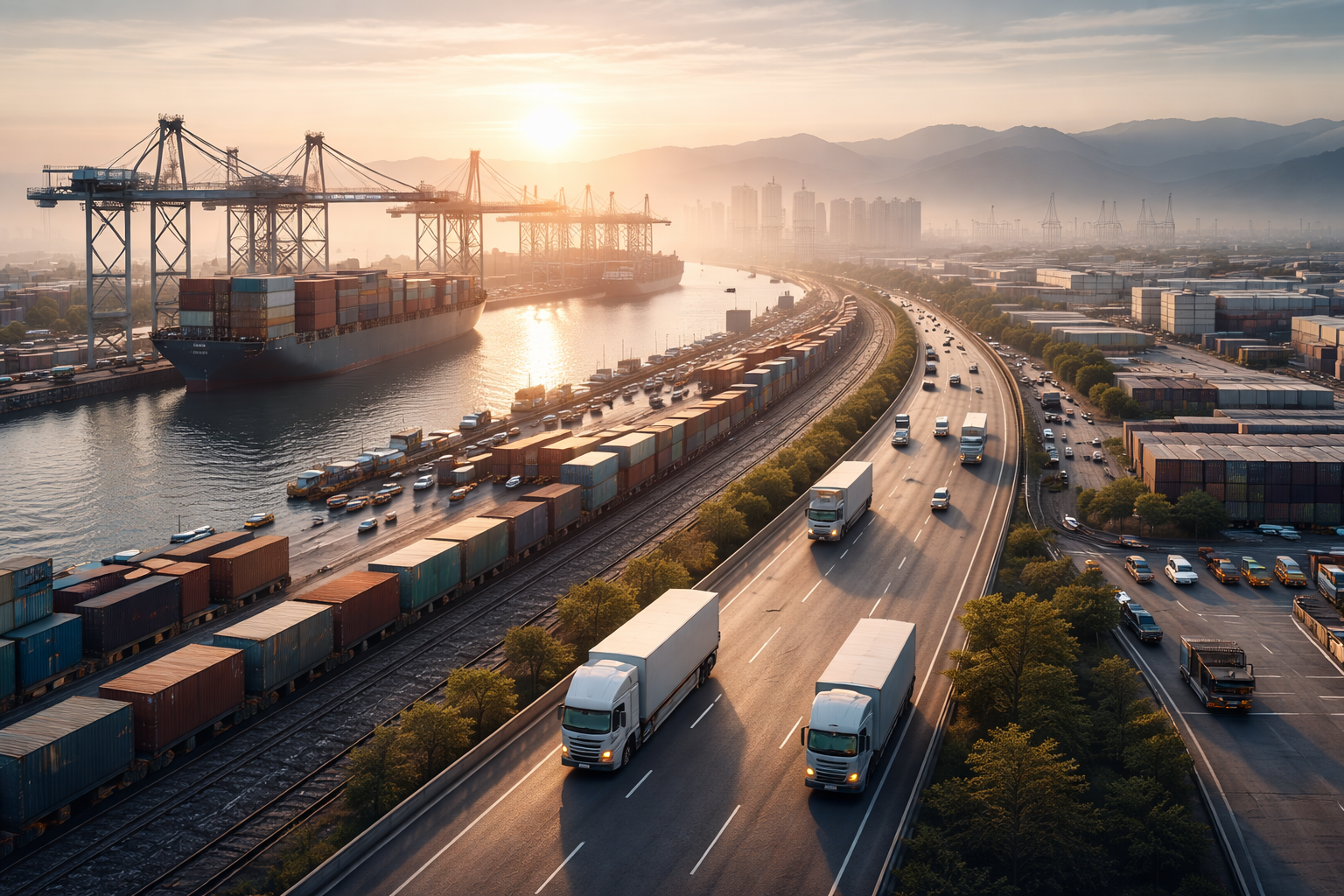
The freight and logistics industry is evolving rapidly, driven by technology, sustainability, and changing consumer demands. Key trends shaping the future include:
E-commerce growth is increasing demand for faster, more flexible delivery solutions, especially in last-mile logistics.
AI and automation are enhancing efficiency, from AI-powered route planning to autonomous trucks.
Sustainability is a top priority, with companies adopting electric vehicles and green initiatives to reduce emissions.
Blockchain is improving transparency and streamlining documentation, while digital freight platforms are optimising booking and load matching.
Big data and IoT are enabling better decision-making and real-time shipment tracking.
The role of freight people will evolve, requiring upskilling in areas like data analysis and AI as automation takes over manual tasks.
As these trends unfold, the industry will become more connected, efficient, and sustainable, with freight people playing a key role in managing these changes.
The Rise of E-commerce and Its Impact on Freight
The Growing Demand For Fast Delivery
The surge of e-commerce has fundamentally altered consumer expectations. With the rise of platforms like Amazon, consumers now expect products to be delivered faster than ever before. This shift in consumer behaviour has placed significant pressure on the freight industry to deliver goods efficiently and quickly, leading to an increase in demand for last-mile delivery services.
Changing Freight Transportation Needs
As e-commerce continues to expand, the need for efficient and flexible freight solutions is growing. Businesses now require more responsive shipping services to manage the fluctuating demands of online orders. Freight companies must adapt to this shift by implementing more flexible, tech-driven solutions that can handle variable order sizes and delivery timeframes.
The Integration of Technology in Freight Operations
Automation And Artificial Intelligence (Ai)
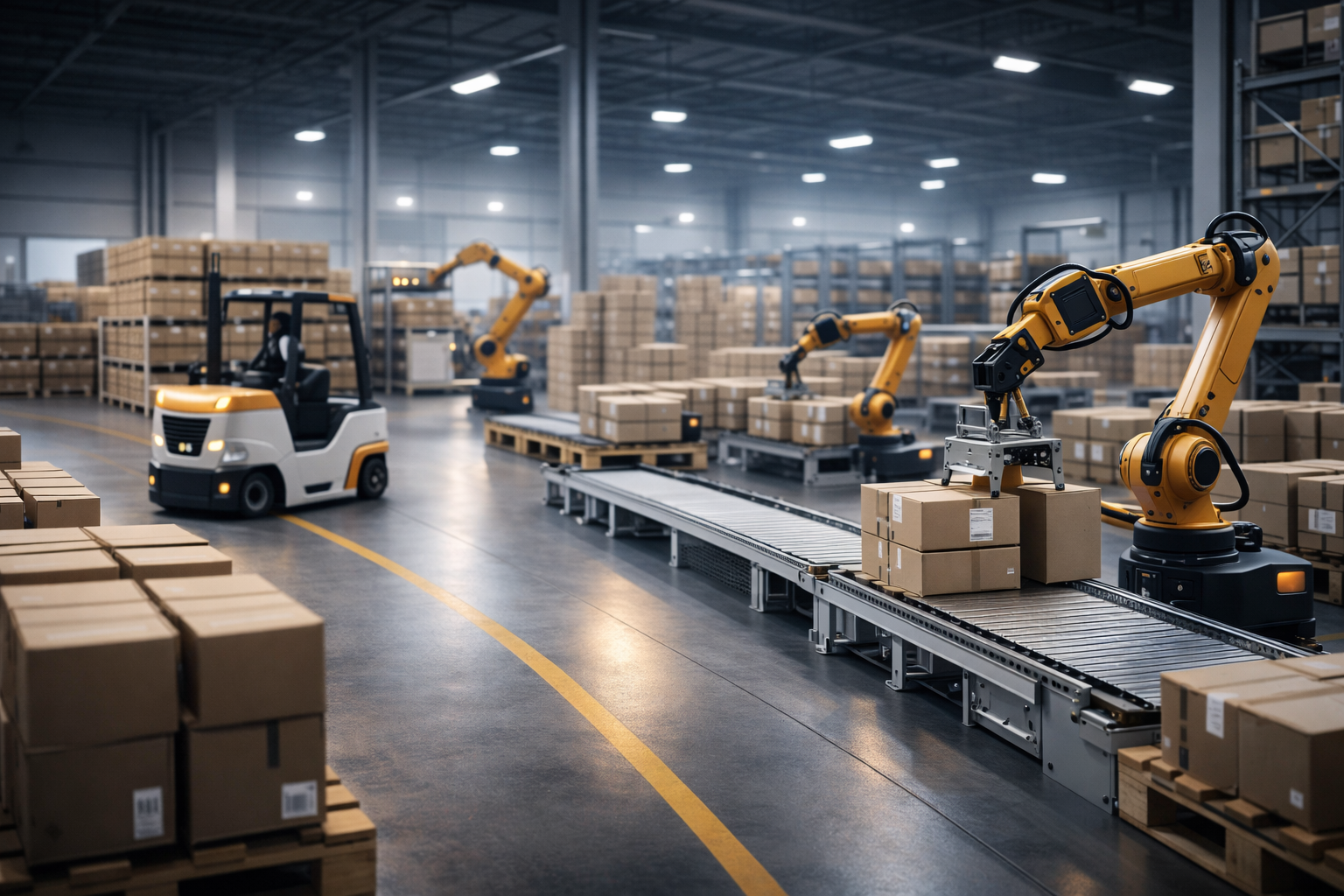
One of the most exciting trends in freight is the increasing role of automation and artificial intelligence (AI) in operations. From automated warehouses to AI-driven routing software, technology is improving the efficiency and speed of freight operations. This integration helps to optimise routes, reduce fuel consumption, and improve delivery times.
AI-Powered Freight Management
AI-powered systems are transforming how freight companies plan and manage shipments. These systems use real-time data to predict traffic patterns, weather disruptions, and other variables that could affect delivery times. By analysing vast amounts of data, AI can help freight people make more informed decisions, leading to improved efficiency and cost savings.
Autonomous Vehicles in Freight
The development of autonomous trucks is another key trend shaping the future of freight. Companies like Tesla and Waymo are investing heavily in autonomous vehicle technology, which promises to reduce the need for human drivers and increase the overall efficiency of freight operations. These vehicles are designed to operate without human intervention, allowing for more consistent and reliable transportation.
Sustainability and Green Logistics
The Push For Carbon Neutrality
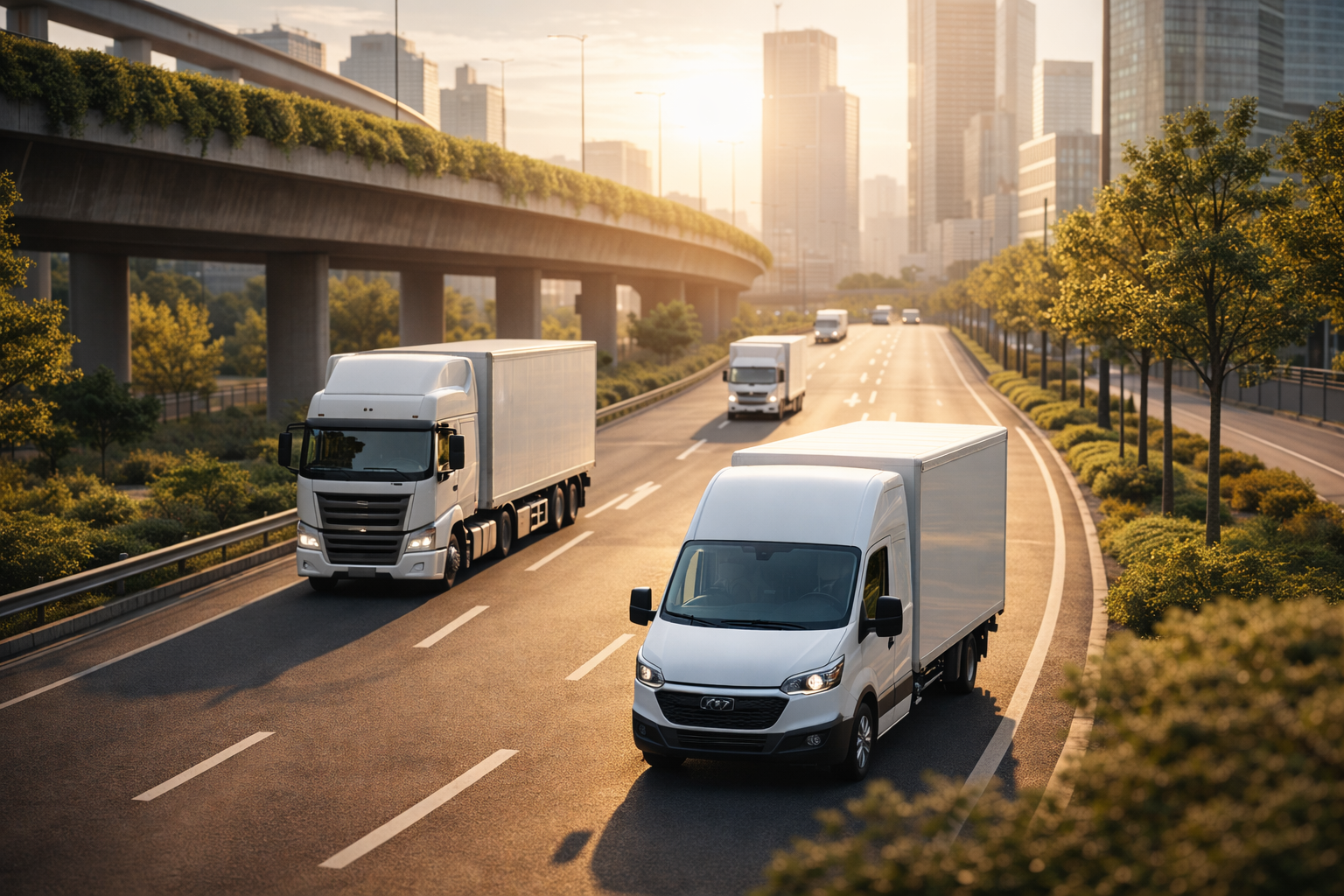
As climate change continues to be a pressing global issue, sustainability has become a significant concern in the logistics industry. Freight people are under increasing pressure to reduce their carbon footprint and adopt more sustainable practices. Companies are now focusing on reducing emissions by incorporating cleaner energy sources, such as electric vehicles, into their fleet and optimising routes to reduce fuel consumption.
Green Freight Initiatives
In response to the demand for greener logistics, many freight companies are adopting green logistics initiatives. These initiatives aim to minimise the environmental impact of freight by implementing energy-efficient solutions, such as using renewable energy, optimising vehicle routes, and utilising electric trucks and other eco-friendly transportation modes.
The Role Of Smart Infrastructure
Another way the freight industry is becoming more sustainable is through the development of smart infrastructure. This includes the use of smart sensors and IoT devices to monitor the condition of roads, bridges, and ports. By optimising infrastructure usage, freight operations can be more efficient, reducing wear and tear on transport networks and lowering the overall environmental impact.
Blockchain Technology in Freight and Logistics
Enhancing Transparency And Security
Blockchain is poised to revolutionise the logistics industry by providing a secure, transparent way to track the movement of goods. With blockchain technology, freight people can access an immutable record of every transaction in the supply chain. This transparency enhances trust between parties and reduces the risk of fraud.
Streamlining Documentation and Payments
Blockchain can also simplify the often cumbersome process of documentation and payments in freight logistics. By digitising invoices, shipping documents, and payment records, freight companies can streamline their operations, reducing administrative costs and delays. Smart contracts built on blockchain allow for automatic payment once predefined conditions are met, further improving efficiency.
The Growth of Digital Freight Platforms
Online Freight Marketplaces
Digital freight platforms are revolutionising the way businesses find and book freight services. Platforms such as Uber Freight and Loadsmart connect shippers with carriers, allowing for a more transparent and streamlined booking process. These platforms use advanced algorithms to match shippers with the most suitable carriers, making freight management more efficient.
Benefits for Freight People
For freight people, these digital platforms offer significant advantages. They provide real-time tracking, easy access to pricing information, and the ability to book shipments on-demand. Additionally, these platforms can help reduce empty miles by optimising load matching and increasing the utilisation of available vehicles.
The Role Of Big Data
The rise of digital platforms has also led to an increase in the use of big data in freight logistics. By collecting and analysing data from a wide range of sources, freight companies can optimise their operations and improve decision-making. For example, big data can help identify patterns in demand, enabling companies to better predict future shipping needs and adjust their strategies accordingly.
The Future of Supply Chain Visibility
Real-Time Tracking And Iot Integration
As the logistics industry becomes more connected, supply chain visibility is becoming a key focus for freight people. Real-time tracking technology, powered by the Internet of Things (IoT), allows businesses to monitor the location and condition of their shipments at all times. This increased visibility enables companies to respond quickly to disruptions, improving delivery accuracy and reducing the risk of lost or damaged goods.
Smart Shipping Containers
Smart shipping containers equipped with IoT sensors are also transforming supply chain visibility. These containers can monitor factors such as temperature, humidity, and shock, providing valuable data for businesses shipping sensitive goods. This technology allows for more precise control over shipments and reduces the risk of spoilage or damage.
The Role of Artificial Intelligence in Predictive Logistics
Ai And Predictive Analytics
Predictive analytics powered by AI is another game-changer for the future of freight and logistics. By analysing historical data and identifying trends, AI can predict potential disruptions in the supply chain and recommend actions to mitigate risks. This ability to forecast issues before they occur helps businesses make proactive decisions, improving efficiency and minimising delays.
AI-Driven Demand Forecasting
One of the key applications of AI in logistics is demand forecasting. AI systems can analyse historical sales data and other factors to predict future demand, allowing freight companies to optimise their inventory and transportation strategies. This level of foresight helps to reduce excess inventory, minimise stockouts, and improve customer satisfaction.
The Future of Freight: Human Factors and Workforce Transformation
The Changing Role Of Freight People
While technology is driving many changes in the freight industry, freight people will continue to play an essential role in managing and overseeing operations. As automation and AI become more prevalent, the role of human workers will evolve. Instead of performing manual tasks, workers will focus on higher-level decision-making, strategy, and managing complex systems.
Upskilling and Reskilling for the Future
To adapt to these changes, freight people will need to undergo upskilling and reskilling. Training in areas such as data analysis, AI, and supply chain management will become increasingly important as these technologies become more integrated into freight operations. Companies that invest in the development of their workforce will be better positioned to thrive in this new era of logistics.
Conclusion
The future of freight and logistics is being shaped by a variety of emerging trends, including technological advancements, sustainability initiatives, and greater supply chain visibility. As the industry continues to evolve, freight people will play a crucial role in navigating these changes. By embracing new technologies, improving efficiency, and focusing on sustainability, the logistics sector will be better equipped to meet the growing demands of the global economy.
The freight industry is rapidly transforming with the integration of advanced technologies such as AI, blockchain, and automation. These innovations are driving sustainability, improving supply chain visibility, and enhancing operational efficiency. As these trends continue to evolve, freight people will need to adapt, leveraging new tools and skills to navigate the future of logistics successfully.
FAQs
What Are The Emerging Trends In The Freight And Logistics Industry?
The main emerging trends include the rise of e-commerce, which is driving demand for faster deliveries, the adoption of AI and automation in freight operations, a stronger focus on sustainability (such as electric vehicles and green logistics), the integration of blockchain for greater transparency and security, and the growth of digital freight platforms and big data for optimised operations and decision-making.
How Does E-Commerce Impact The Freight Industry?
E-commerce has increased consumer expectations for faster, more reliable deliveries, especially in last-mile logistics. As a result, freight companies are pressured to offer more flexible, tech-driven solutions that can handle the fluctuating demands of online orders, leading to innovations like faster shipping services, automated systems, and delivery optimisation.
What Role Does Ai Play In Freight Logistics?
Artificial Intelligence (AI) helps optimise operations by using real-time data to predict disruptions (like weather or traffic), improve routing, and increase efficiency. AI-powered freight management systems also enable better decision-making by analysing large datasets, which leads to cost savings, improved delivery times, and more accurate demand forecasting.
Are Autonomous Vehicles Going To Replace Truck Drivers?
While autonomous vehicles (like self-driving trucks) are an exciting development in the freight industry, they are not likely to completely replace truck drivers in the near future. However, autonomous trucks are expected to reduce the need for human drivers, increase operational efficiency, and allow for more consistent and reliable transportation over time.
How Is The Freight Industry Becoming More Sustainable?
The freight industry is focusing on carbon neutrality by incorporating electric vehicles, optimising routes to reduce fuel consumption, and adopting green logistics initiatives. Additionally, there’s a push for using renewable energy sources and improving infrastructure (like smart roads and ports) to mminimiseenvironmental impact.