
How to Optimise Last Mile Delivery Operations for Maximum Efficiency
23 March 2026

The last mile of the delivery process is often the most critical and challenging stage in logistics.
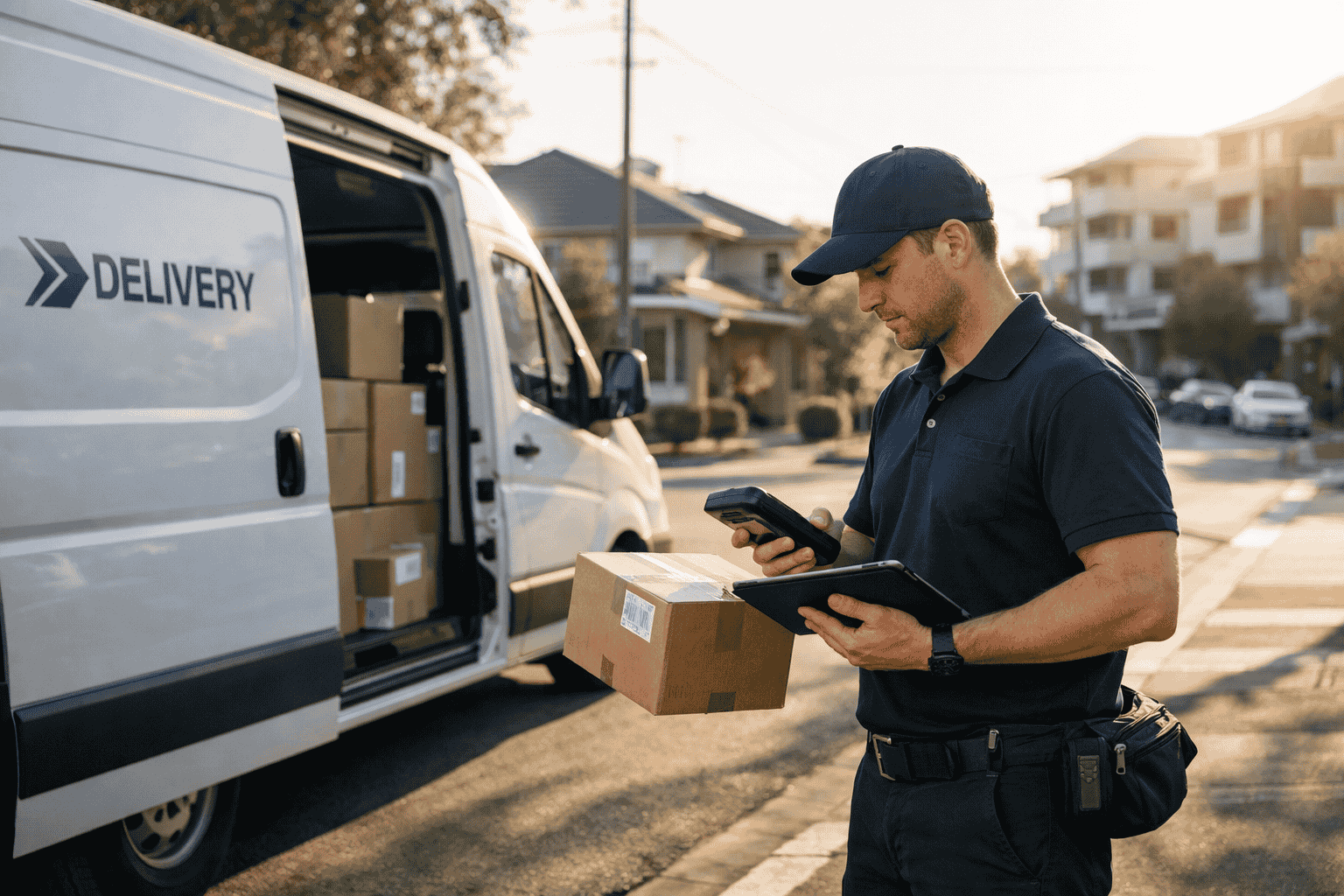
As e-commerce and consumer expectations continue to rise, optimising delivery processes, particularly last-mile delivery operations, is vital for businesses striving to stay competitive.
Optimising last-mile delivery becomes significantly easier when supported by technology such as the Cario Freight Management System (FMS) and strategic brokerage expertise from Freight People, helping businesses reduce complexity while improving cost control and service performance.
This comprehensive guide explains the complexities of the last-mile delivery process, highlights the latest technologies transforming the landscape, and offers actionable strategies to optimise your mile delivery operations for maximum efficiency and customer satisfaction.
Let's Get Straight to the Point
Last-mile delivery is the most challenging and costly stage of the delivery process, directly impacting customer satisfaction.
This guide outlines strategies for improving efficiency, such as route optimisation, real-time tracking, and adopting technologies like drones and electric vehicles.
When optimising urban delivery routes, last-mile deliveries face challenges like traffic congestion and fuel consumption. However, these can be mitigated using efficient vehicles and innovative technologies.
By embracing sustainable practices and leveraging advanced tools, businesses can reduce costs, enhance customer loyalty, and meet growing consumer expectations.
Understanding Last-Mile Delivery
1. What is Last-Mile Delivery?
Last-mile delivery refers to the final stage of the delivery process, which is particularly significant because it directly influences customer satisfaction and represents the highest logistics cost.
This stage determines whether goods arrive on time and in perfect condition. It is a vital touchpoint in the overall customer experience, transporting goods from a warehouse, hub, or retail store to the customer’s doorstep.
This critical stage significantly influences customer satisfaction, determining whether the goods arrive on time and in good condition. Optimising the last-mile delivery route is essential to enhance efficiency and reduce costs.
Last-mile delivery is also the most costly part of logistics, accounting for about 35% of total delivery costs. The primary goal of last-mile delivery is to ensure goods are delivered quickly and cost-effectively while meeting customer expectations.
Businesses increasingly focus on improving the last-mile delivery experience to remain competitive in a demanding mile-delivery landscape.
2. Why Last-Mile Delivery Matters
The last-mile delivery process directly impacts how customers perceive a brand. Late or failed deliveries can result in negative reviews, reduced customer loyalty, and a damaged reputation.
On the other hand, a smooth and reliable delivery experience can boost customer preferences and drive repeat business.
In addition, as e-commerce continues to grow, the demand for faster and more flexible deliveries is increasing. Meeting these demands requires businesses to innovate and optimise their last-mile operations.
Challenges in Last Mile Delivery Operations
1. Traffic Congestion and Urban Complexities
Traffic congestion is a major challenge in mile deliveries, particularly in urban areas. Delivery vehicles often face traffic jams that delay deliveries and impact delivery performance. This can negatively affect the overall customer experience and even reduce customer loyalty.
To tackle this, advanced route optimisation software can recalibrate routes in real-time, avoiding delays and helping delivery drivers navigate efficiently. Urban areas also present logistical challenges, such as limited parking spaces and narrow streets, which can hinder delivery.
Innovative solutions, such as micro-fulfilment centres and electric bicycles, are being explored to address these issues. These alternatives bypass traditional traffic bottlenecks, ensuring faster and more reliable deliveries.
2. Delivery Costs and Failed Deliveries
Last-mile delivery costs are high due to labour, fuel consumption, and vehicle maintenance.
Also, failed deliveries occur frequently because customers are unavailable or provide incorrect address information. These failed attempts increase operational costs and frustrate customers.
Solutions such as delivery management software can mitigate these issues by ensuring accurate addresses, offering flexible delivery options, allowing customers to reschedule deliveries, and reducing failed delivery attempts.
Businesses can identify and proactively address patterns that lead to missed deliveries using predictive analytics.
3. Rising Customer Expectations
Modern customers expect real-time visibility, precise delivery time windows, and flexible scheduling options.
Failure to meet these expectations can result in dissatisfied customers and lost opportunities for repeat business. Last-mile delivery solutions must prioritise these factors to stay competitive.
Optimising the Delivery Process
1. Route Optimisation Techniques
Route optimisation, particularly mile delivery route optimisation, is important for improving the efficiency of delivery operations and reducing costs.
Businesses can use advanced route optimisation software to design the most efficient routes by analysing distance, traffic, and delivery schedules. This not only enhances operational efficiency but also reduces fuel costs and emissions.
These tools enable real-time adjustments, ensuring drivers can bypass obstacles like traffic congestion, ensuring timely deliveries, and maintaining customer satisfaction.
Companies can also use advanced route optimisation software to predict traffic patterns and plan routes accordingly, enhancing efficiency.
2. Real-Time Tracking and Visibility
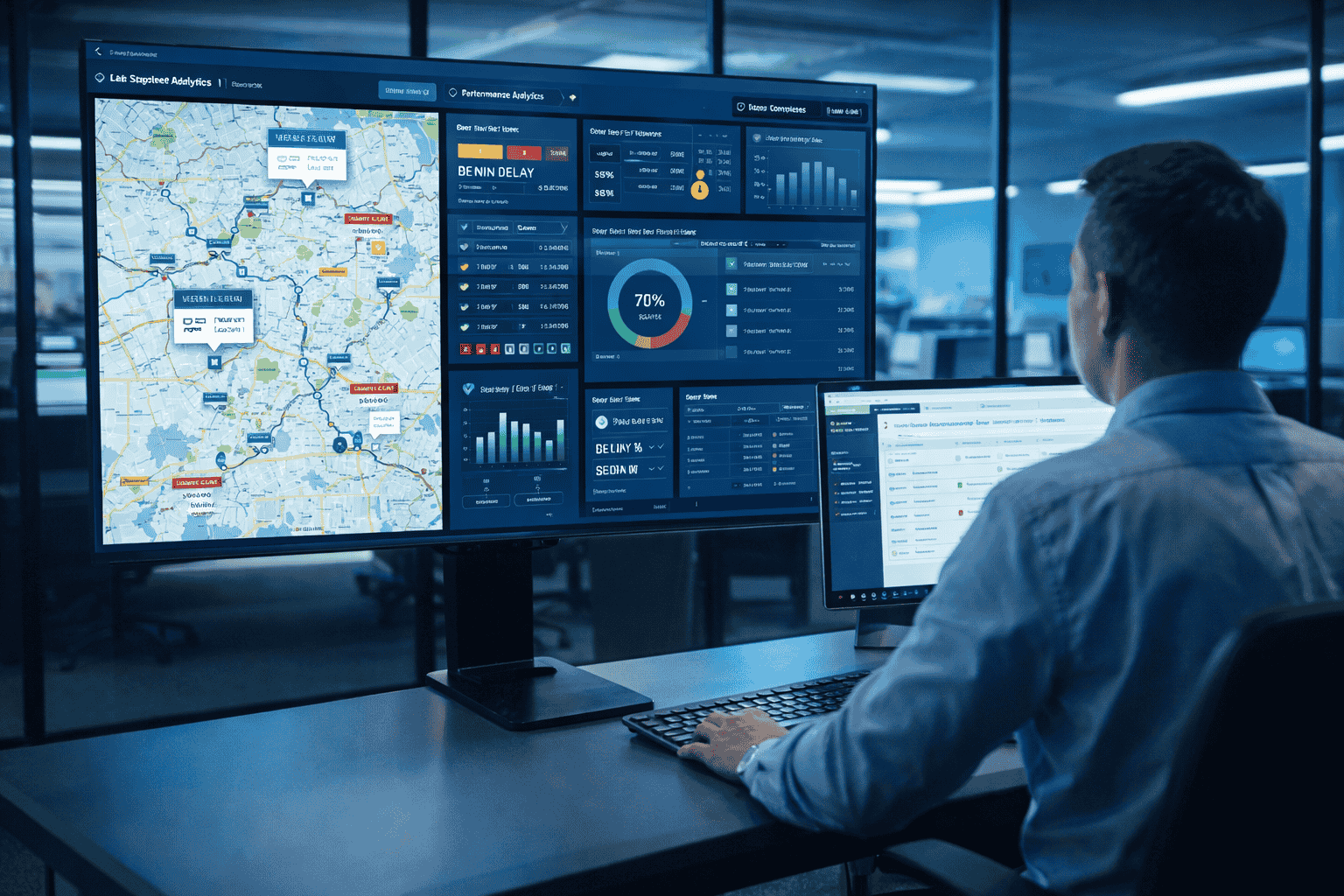
Real-time visibility is a game-changer in the last-mile delivery process. Businesses can use GPS-based tracking systems to monitor each vehicle’s location and status. This improves the delivery experience by enabling swift responses to potential disruptions.
Customers also benefit from real-time tracking, receiving notifications with delivery time windows and ETAs. Keeping customers informed builds trust and enhances their overall last-mile delivery experience.
Additionally, tracking systems can help businesses gather data on delivery times and vehicle performance, which can be used to refine last-mile delivery strategies.
3. Predictive Analytics in Logistics
Predictive analytics in logistics is a game-changer for optimising last-mile delivery. By analysing historical data, businesses can predict demand patterns and adjust delivery schedules and routes accordingly.
This proactive approach allows companies to address potential bottlenecks and inefficiencies before they become issues. Predictive analytics helps dispatch managers foresee patterns and potential risks, enabling data-driven decisions that enhance delivery operations.
By leveraging these insights, businesses can optimise their last-mile delivery process, ensuring timely deliveries and improved customer satisfaction.
3. Leveraging Customer Feedback
Understanding and addressing customer feedback is essential for optimising the last-mile delivery process. Surveys, reviews, and direct communication provide valuable insights into areas for improvement.
Incorporating this feedback can help businesses tailor their mile delivery strategies to meet customer expectations more effectively.
Technologies Transforming Mile Delivery
1. Emerging Technologies in Logistics
Innovations like drones and autonomous vehicles (AVs) are revolutionising the last-mile delivery landscape.
These technologies allow deliveries to bypass road congestion and reach customers more quickly. For instance, drones can deliver packages directly to the customer's doorstep, avoiding traditional barriers like traffic and limited parking.
While challenges like regulatory compliance and infrastructure development remain, investing in autonomous vehicles and drones can give businesses a competitive advantage in the evolving mile delivery landscape.
As these technologies mature, they are expected to be critical in reducing delivery costs and improving efficiency.
2. Drones and Autonomous Vehicles
Drones and autonomous vehicles (AVs) are transforming the last-mile delivery landscape. These technologies offer the advantage of bypassing traffic jams and delivering goods directly to the customer’s location.
While regulatory and logistical challenges remain, investing in developing delivery drones and AVs can lead to unparalleled speed and efficiency. Drones can quickly deliver goods to remote or difficult-to-reach areas.
At the same time, AVs can handle larger volumes and automate deliveries without needing a driver, operating al. They can operate to meet demand. Embracing these innovations can significantly enhance last-mile delivery operations, reducing delivery times and costs.
3. Internet of Things (IoT) and Data Analytics
The Internet of Things (IoT) optimises last-mile delivery operations. IoT devices installed in delivery vehicles and packages provide real-time data on location, temperature, and handling conditions.
Coupled with data analytics, these tools can refine mile delivery route optimisation, reduce missed deliveries, and enhance the overall delivery process. IoT-enabled sensors can also monitor vehicle health, ensuring timely maintenance and reducing downtime.
Software Solutions for Last Mile Delivery
1. Route Optimisation Software
Advanced route optimisation software uses AI and algorithms to determine the most efficient delivery routes.
To maximise operational efficiency, these tools consider traffic patterns, driver schedules, and delivery time windows.
Implementing such software reduces fuel consumption and ensures faster deliveries, improving delivery efficiency and customer loyalty.
These systems also integrate with GPS devices to provide turn-by-turn navigation for drivers, further enhancing the delivery process.
2. Delivery Management Platforms
Delivery management platforms offer comprehensive solutions for managing the last-mile delivery process.
These platforms enable route planning, driver assignment, and real-time tracking, ensuring seamless operations.
They also include features like customer communication, proof of delivery, and reporting tools, making them invaluable for businesses aiming to optimise their mile delivery operations.
With the help of these platforms, companies can streamline their workflows, reduce errors, and improve overall delivery performance.
3. Real-Time Tracking and Visibility Tools
Real-time tracking and visibility tools are essential for optimising last-mile delivery operations. GPS-based tools allow for live tracking of deliveries and consistent updates to businesses and customers.
These tools also include automated notifications and alerts for delivery status changes. Real-time tracking provides complete visibility over the delivery process, allowing businesses to monitor each vehicle’s location and status.
This enables them to identify potential delays or disruptions and respond quickly to ensure deliveries stay on schedule. By implementing these tools, companies can enhance operational efficiency and customer satisfaction.
Best Practices for Sustainable Delivery
1. Sustainable Delivery Practices
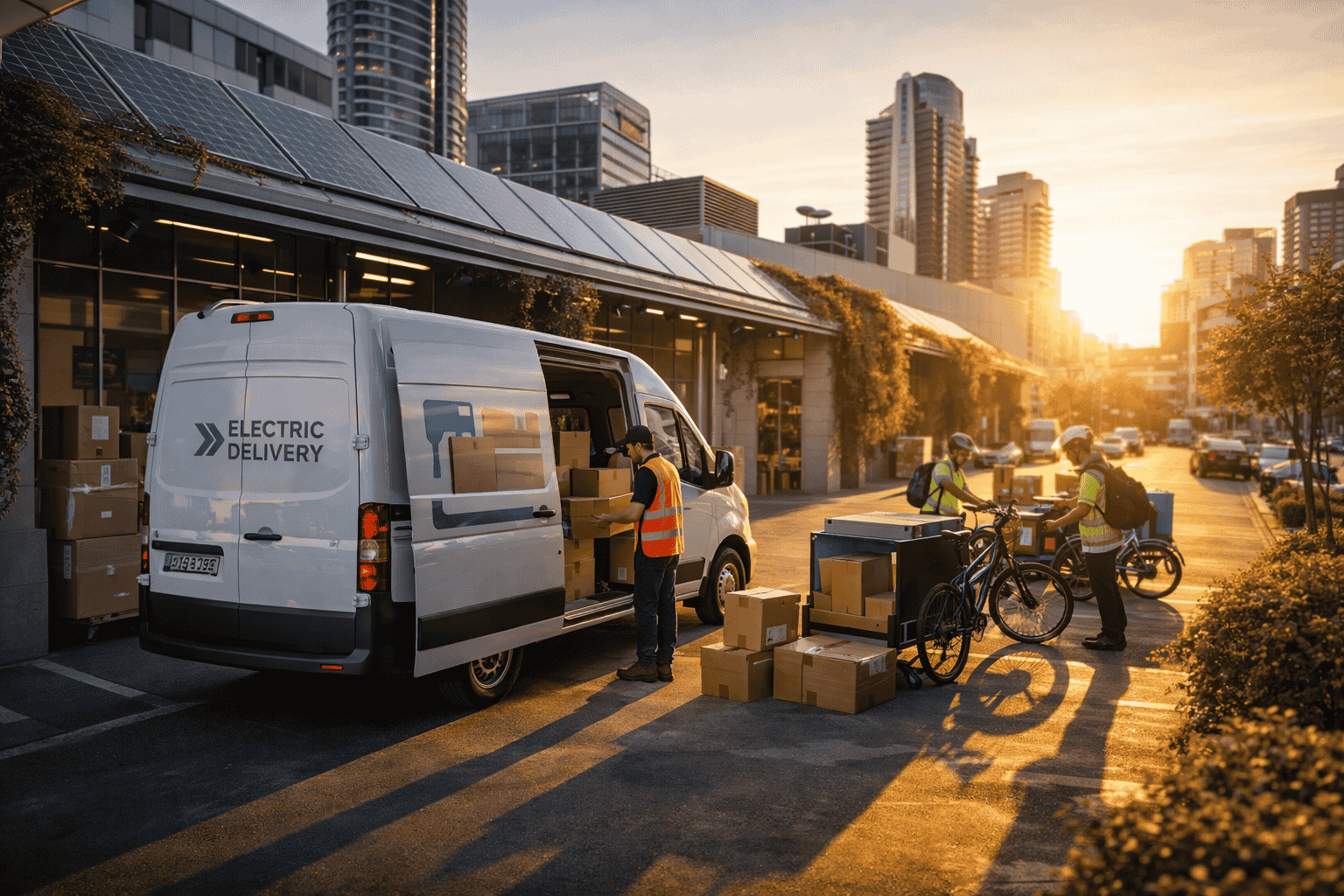
Adopting sustainable practices in last-mile logistics is essential for reducing environmental impact. Businesses can embrace electric vehicles, optimise delivery routes, and use eco-friendly packaging to minimise waste.
These practices lower fuel costs and emissions and improve the company’s reputation, attracting environmentally conscious customers.
Additionally, companies can explore partnerships with local businesses to establish micro-hubs, reducing transportation distances and emissions.
2. Contactless and Paperless Delivery
Due to customer preferences, contactless and paperless delivery methods are becoming increasingly popular. Customers now prefer minimal physical interaction during the delivery process.
As a result, businesses must prioritise and invest in contactless delivery options, allowing customers to receive their orders with minimal safety risk. This delivery optimisation method requires advanced electronic proof of delivery (ePOD) apps.
Contactless delivery methods can significantly boost last-mile delivery operations by enhancing operational efficiency, improving customer satisfaction, and supporting sustainability initiatives.
2. Environmental Concerns and Sustainability
Traditional delivery methods often contribute to pollution and high fuel consumption. By using efficient routes and investing in electric vehicles, businesses can reduce their carbon footprint and meet the growing demand for environmentally friendly solutions.
Adopting sustainability-focused strategies enhances customer loyalty and positions the company as a responsible player in the mile delivery landscape.
Businesses prioritising eco-friendly initiatives often find themselves at an advantage in a market increasingly focused on sustainability.
Benefits of Optimising Last-Mile Delivery Operations
Optimising last-mile delivery operations can bring numerous benefits to businesses. Some of the key advantages include:
1. Reduced Fuel Consumption
A significant benefit of optimising last-mile delivery operations is reducing fuel consumption. Using route optimisation software, businesses can reduce the distance driven per delivery, reducing fuel consumption. This not only saves costs but also minimises the environmental impact of last-mile delivery.
According to the International Energy Agency, the transportation sector accounts for just over 20% of global greenhouse gas emissions. Businesses can contribute to a more sustainable future by optimising last-mile delivery operations.
Implementing Last-Mile Delivery Optimisation
1. Identifying the Needs for Optimisation
Before implementing last-mile delivery optimisation, businesses must identify specific areas for improvement. Key considerations include:
Analysing current delivery costs and performance metrics.
Identifying common causes of failed deliveries.
Evaluating the effectiveness of existing delivery routes and technologies.
Understanding these needs is essential for creating a robust last-mile delivery strategy. A thorough assessment helps businesses allocate resources effectively and focus on areas with the greatest potential for improvement.
2. Step-by-Step Guide to Optimisation
Assess Current Operations: Review the existing mile delivery operations to identify inefficiencies.
Invest in Technology: Implement advanced route optimisation software and real-time tracking tools.
Train Delivery Personnel: Ensure drivers are trained to use new technologies and follow efficient routes.
Monitor and Adjust: Use analytics to monitor performance and refine strategies as needed.
Enhance Customer Communication: Keep customers informed through updates and notifications.
Pilot Sustainable Practices: Gradually introduce eco-friendly initiatives like electric vehicles and reusable packaging.
By following this guide, businesses can significantly improve their last-mile delivery performance and reduce operational costs. Consistent evaluation and adaptation are key to long-term success.
Conclusion
Optimising last-mile delivery operations is essential for meeting modern customer expectations and achieving operational efficiency.
By leveraging advanced technologies, implementing sustainable practices, and focusing on delivery performance, businesses can transform their last-mile delivery process into a competitive advantage.
Adopting tools like route optimisation software and delivery management platforms, along with investing in innovative solutions like autonomous vehicles and real-time tracking, will enable companies to thrive in the evolving last-mile delivery landscape.
Prioritising efficiency and customer satisfaction will ensure lasting success in this critical area of the supply chain.
FAQs
1. What is last-mile delivery?
Last-mile delivery is the final step in the delivery process, where goods are transported from a distribution hub to the customer's doorstep. It is critical for ensuring timely deliveries and customer satisfaction.
2. Why is last-mile delivery so expensive?
The costs are high due to labour, fuel, vehicle maintenance, and challenges like traffic and failed delivery attempts. Optimising routes and using technologies like real-time tracking can reduce these costs.
3. How can businesses improve last-mile delivery?
Businesses can improve efficiency by using route optimisation software, real-time tracking tools, and offering flexible delivery options. Adopting sustainable practices like electric vehicles also reduces costs and environmental impact.
4. What role does technology play in last-mile delivery?
Technology like IoT, data analytics, and autonomous vehicles help improve delivery accuracy, reduce costs, and enhance customer satisfaction. Real-time tracking ensures transparency and timely updates for customers.
5. Why is sustainability important in last-mile delivery?
Sustainable practices reduce environmental impact, lower fuel costs, and improve brand reputation. Using electric vehicles and optimising delivery routes are key strategies for achieving greener logistics.