
The Impact of E-Commerce on the Australian Freight Industry
The rise of e-commerce has fundamentally reshaped how goods are bought, sold, and transported around the world. Australia, like many other nations, has experienced profound changes in its logistics and freight sectors due to the boom in online retail.
As consumers increasingly turn to digital platforms for shopping, businesses are compelled to adapt to new demands in delivery speed, cost efficiency, and service quality. This article explores the significant impact of e-commerce on the Australian freight industry, examining both the challenges and opportunities that have arisen as a result.
As e-commerce volumes grow and delivery expectations tighten, platforms like Cario are helping Australian businesses manage this complexity by providing greater visibility, control, and automation across multi-carrier freight operations.
Let's Get Straight To The Point
The rise of e-commerce has significantly impacted the Australian freight industry, leading to increased demand for faster, more efficient delivery services. This shift has created challenges such as the need for quicker turnaround times, better last-mile delivery solutions, and environmental concerns.
However, it also presents opportunities, including technological advancements like AI, robotics, and automation, which help improve operations. Additionally, e-commerce's growth has sparked the development of fulfilment centres and multi-modal transportation systems.
As the demand for fast deliveries increases, freight companies must adapt by investing in infrastructure, embracing sustainable practices, and collaborating closely with e-commerce businesses. The future of the industry will rely on skilled labour, innovation, and continuous adaptation to consumer expectations.
The Growth of E-Commerce in Australia
E-commerce has become a driving force in the Australian economy. According to recent reports, the growth of e-commerce in Australia is expected to exceed 20% by 2025, with more consumers choosing online shopping over traditional brick-and-mortar stores. This shift has led to a surge in demand for freight services that can support the rapid movement of goods from sellers to buyers, often over vast distances.
The Rise Of Online Shopping
Australia has seen significant changes in consumer behaviour, especially following the pandemic. In 2020 alone, Australians spent over $50 billion on online retail. The trend has continued to grow, with more businesses moving their operations to e-commerce platforms to meet the increasing demand for fast and convenient shopping experiences. This surge in online shopping has brought about a new set of challenges and opportunities for the freight industry.
Impact On Freight Demand
As more Australians shop online, the demand for freight services has skyrocketed. Goods that once moved through traditional retail distribution channels are now being shipped directly to consumers. This has caused a significant shift in the way freight is managed, with an increased emphasis on last-mile delivery and faster turnaround times.
Key Challenges for the Australian Freight Industry
The rapid growth of e-commerce presents several challenges for the Australian freight industry. These challenges stem from the need for greater speed, efficiency, and flexibility in meeting consumer expectations.
Increasing Pressure On Delivery Times
One of the most significant pressures placed on the freight sector is the demand for faster delivery times. In an era where consumers expect same-day or next-day deliveries, logistics companies are under pressure to find innovative solutions to speed up the delivery process. This has led to the need for more efficient freight networks and better coordination between suppliers, warehouses, and transport providers.
Managing Last-Mile Delivery
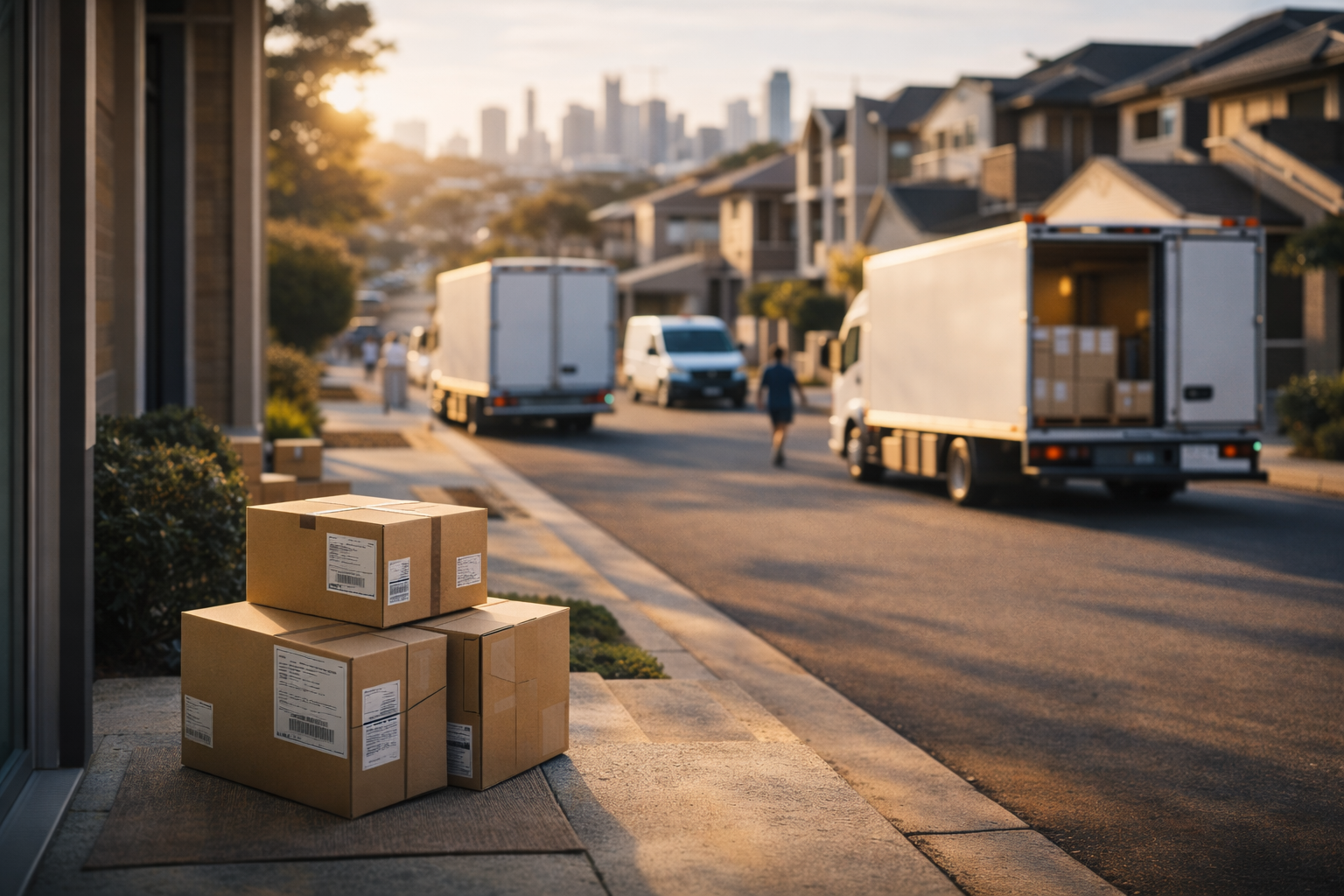
The last mile—the final leg of the delivery journey from a local depot to the consumer’s doorstep—has become a major focus for freight companies. This part of the process is often the most complex and expensive, particularly in a vast country like Australia. Urban areas are increasingly congested, and rural areas can be difficult to reach with traditional delivery models. Finding cost-effective and efficient solutions for last-mile delivery is crucial to maintaining the viability of e-commerce in the Australian market.
Environmental And Sustainability Concerns
As e-commerce continues to grow, there is increasing pressure to make freight operations more sustainable. The environmental impact of increased deliveries, packaging waste, and the carbon footprint of transportation has become a significant concern for both consumers and businesses. In response, many companies are exploring green logistics solutions, such as electric vehicles (EVs), more efficient delivery routes, and sustainable packaging materials.
Opportunities for the Australian Freight Industry
While the rise of e-commerce poses challenges, it also offers numerous opportunities for innovation and growth in the Australian freight sector.
Technological Advancements In Freight
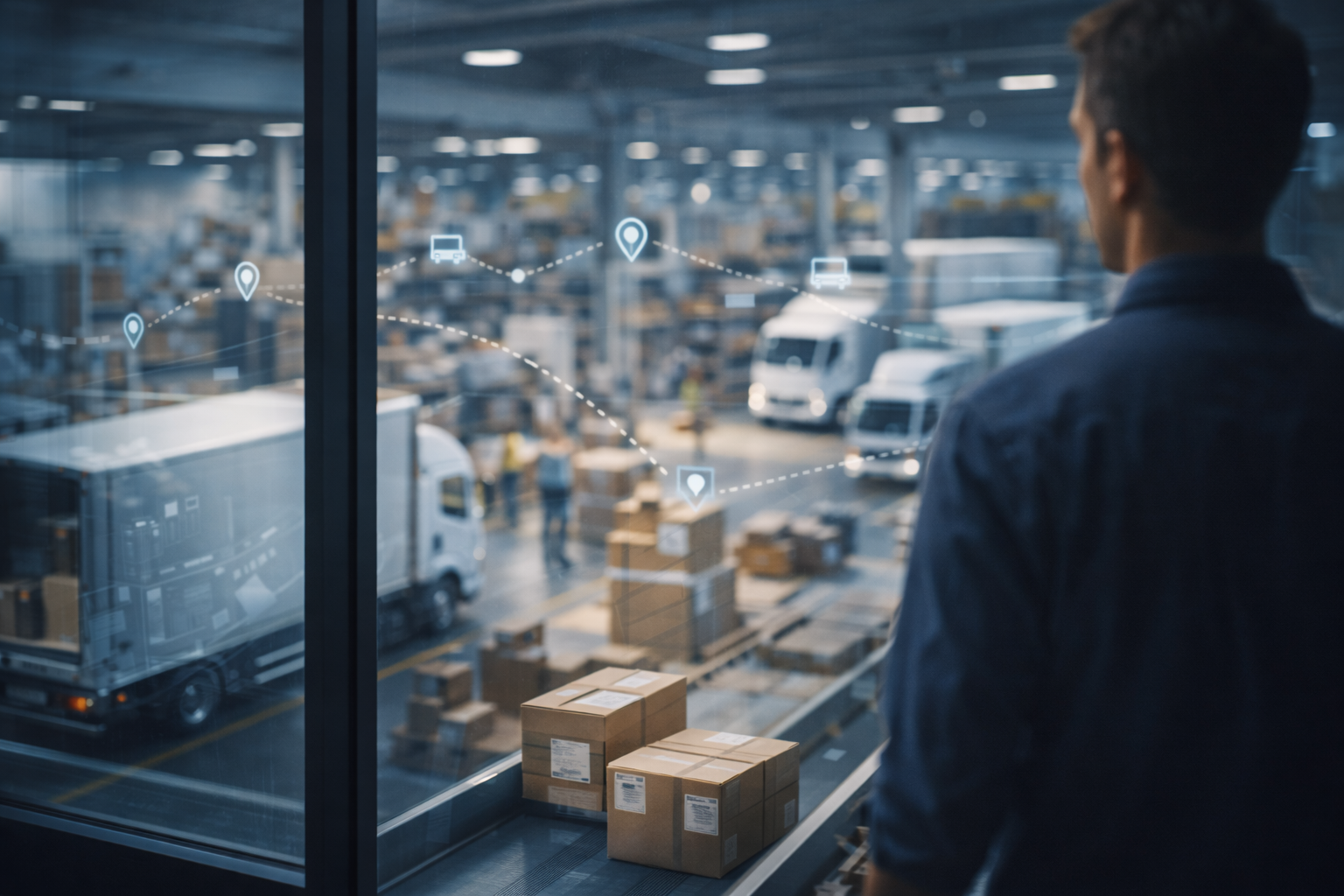
Technology is playing a pivotal role in shaping the future of freight in Australia. From automated warehouses to artificial intelligence (AI) and the Internet of Things (IoT), technological advancements are helping freight companies increase efficiency, reduce costs, and improve service delivery. AI-powered predictive analytics can help companies optimise their routes and inventory management systems, while IoT devices allow for real-time tracking of shipments.
For freight people, embracing these technologies can improve operational efficiency and give businesses a competitive edge in a crowded market.
E-Commerce Fulfillment Centers And Distribution Networks
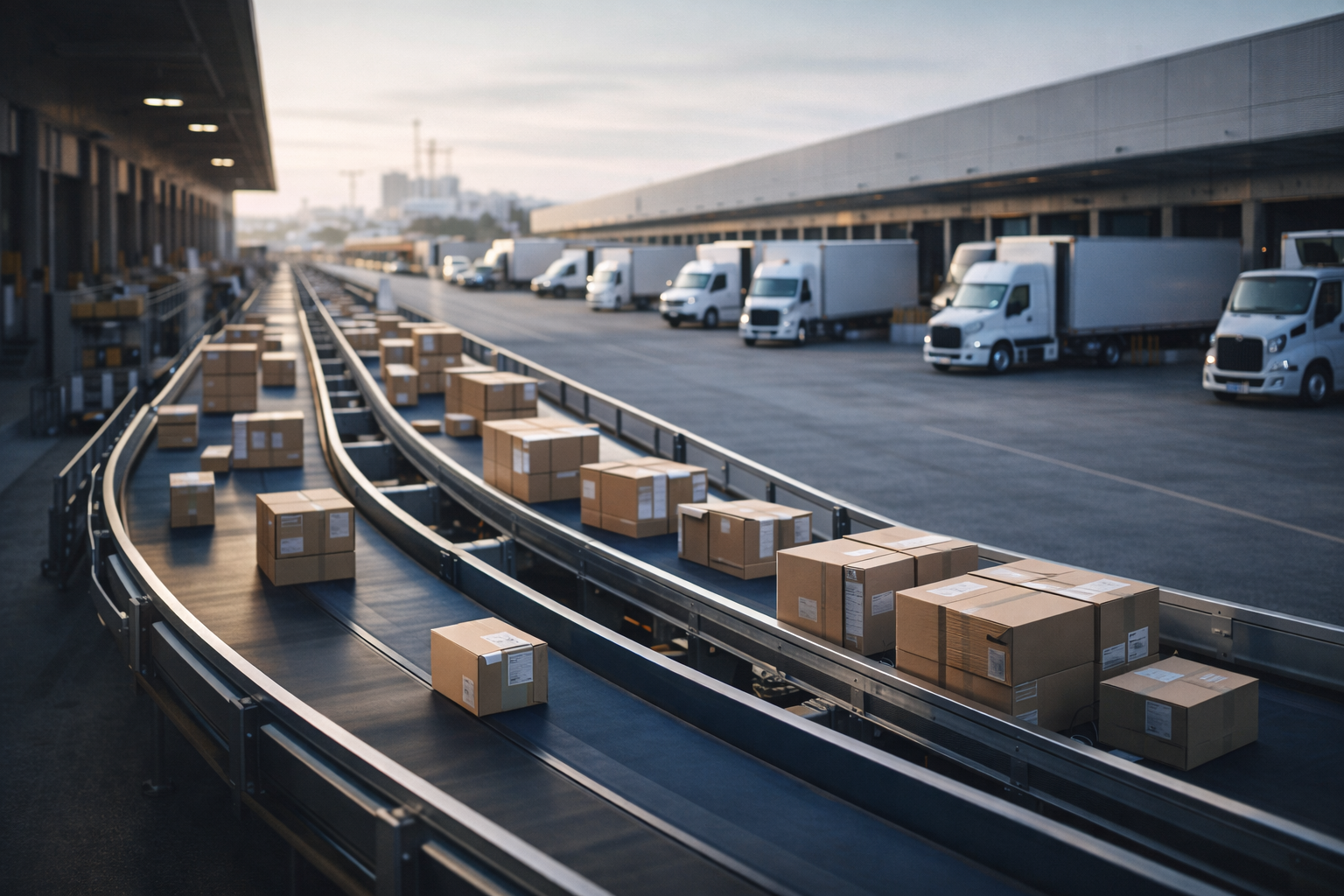
The growth of e-commerce has led to the rise of fulfilment centres and advanced distribution networks. These centres, which act as hubs for sorting and packaging products before they are sent out for delivery, are essential for meeting the demand for fast and accurate deliveries. Large retailers like Amazon have already invested heavily in fulfilment centres, and smaller companies are following suit.
Building a robust distribution network is critical to ensuring that goods can be delivered quickly and efficiently to consumers. In Australia, this means expanding transportation infrastructure to accommodate e-commerce needs.
Expanding Freight Capabilities In Rural And Regional Areas
While urban centres like Sydney and Melbourne dominate e-commerce sales, the freight industry must also adapt to the needs of rural and regional areas. In many parts of Australia, rural customers are accustomed to longer delivery times and higher shipping costs. By improving infrastructure and exploring alternative delivery methods—such as drones or electric vehicles—freight companies can better serve regional consumers.
How E-Commerce is Shaping the Future of Freight Transportation
The evolving landscape of e-commerce is pushing freight companies to rethink their business models, particularly when it comes to transportation. Here are a few key trends shaping the future of freight in Australia:
Shift Towards Multi-Modal Transportation
As e-commerce continues to expand, freight companies are increasingly turning to multi-modal transportation systems that combine different methods of delivery, such as road, rail, air, and sea. This allows businesses to take advantage of the strengths of each mode while minimising costs and delivery times. For example, high-value or urgent products might be transported by air, while bulk goods can move by rail or sea.
The Role Of Automation And Robotics
Automation is another critical development in the Australian freight industry. Robots and automated systems are increasingly being used in warehouses to sort and pack items. Self-driving vehicles and drones are also being tested for last-mile deliveries, which could dramatically reduce delivery times and costs while increasing safety and efficiency.
Integration Of Artificial Intelligence In Freight Operations
Artificial intelligence (AI) is revolutionising the freight industry by enabling better decision-making and more efficient operations. AI can predict demand, optimise delivery routes, and help companies manage supply chain disruptions. By integrating AI into their operations, freight people can enhance productivity and ensure that deliveries meet consumer expectations in terms of both speed and quality.
Impact of E-Commerce on Freight Pricing in Australia
As e-commerce continues to grow, the pricing structure for freight services is undergoing significant changes. Several factors are influencing the costs of transportation in the Australian market.
Increased Demand For Delivery Services
With more Australians shopping online, the demand for freight services has surged. This increased demand has led to higher competition between logistics providers, which can result in fluctuating prices. For instance, during peak shopping periods such as Christmas and Black Friday, freight prices may spike due to high demand for fast deliveries.
Fuel And Operational Costs
Fuel prices and operational costs also play a significant role in determining freight pricing. Fluctuations in fuel costs can directly affect transportation costs, which are then passed on to consumers. To combat this, many freight companies are exploring more fuel-efficient and cost-effective solutions, such as electric vehicles and hybrid fleets.
The Importance Of Supply Chain Transparency
As e-commerce companies strive to meet consumer demands for transparency and timely deliveries, freight companies are adopting more advanced tracking and reporting systems. Providing real-time updates on delivery status and accurate pricing estimates can help build trust with customers and ensure a more efficient supply chain. This transparency also helps to keep costs competitive while maintaining a high level of service.
The Role of Freight People in the E-Commerce Transformation
The freight industry is more dynamic than ever, with evolving technologies, new business models, and changing consumer expectations. For freight people—those involved in the logistics, transportation, and supply chain sectors—this transformation presents both challenges and opportunities.
Skills Development And Training
As technology continues to reshape the freight landscape, there is an increasing demand for skilled workers who can adapt to new systems and processes. Training and development in areas like data analysis, supply chain management, and automation will be critical for the future success of the Australian freight industry. Industry leaders must invest in workforce development to ensure that freight people are equipped with the skills needed to thrive in a rapidly evolving market.
Collaboration Between Freight And E-Commerce Companies
Collaboration between freight providers and e-commerce businesses is crucial for creating a seamless delivery experience. By working closely together, these companies can better align their operations, improve service delivery, and reduce costs. Building strong partnerships will be key to meeting the demands of the growing e-commerce market.
Conclusion
The rise of e-commerce has had a profound impact on the Australian freight industry, both in terms of challenges and opportunities. With an increasing demand for fast, efficient, and cost-effective delivery solutions, logistics companies are being pushed to innovate and adapt to meet the needs of the modern consumer. From technological advancements to new transportation models and improved supply chain management, the freight industry in Australia is evolving rapidly.
For freight people, this transformation represents a chance to reshape the future of transportation and logistics in the country. By embracing new technologies, improving operational efficiency, and focusing on sustainability, the Australian freight sector can continue to thrive in the age of e-commerce.
FAQs
How Is E-Commerce Changing Delivery And Logistics Networks In Australia?
With the rise of e-commerce, companies are investing in fulfilment centres and advanced distribution networks to handle increased order volumes and meet consumer demand for faster delivery. Multi-modal transportation methods (combining road, rail, air, and sea) are being explored to optimise costs and delivery times.
What Role Does Sustainability Play In The Freight Industry Now?
As e-commerce grows, there is greater pressure to adopt sustainable practices. This includes using electric vehicles (EVs) for deliveries, minimising packaging waste, and improving fuel efficiency to reduce the carbon footprint of freight operations.
What Are The Opportunities For Growth In The Freight Industry Due To E-commerce?
Opportunities include:
Expanding the freight network, especially to rural and regional areas.
Embracing new technologies for automation and real-time tracking.
Building strong partnerships between freight providers and e-commerce businesses to ensure a seamless and cost-effective supply chain.
How Is The Australian Freight Industry Addressing Last-Mile Delivery Challenges?
Solutions include using more localised delivery hubs, employing drones and electric vehicles for last-mile deliveries, and optimising delivery routes to manage urban congestion and reach rural customers more efficiently.
What Is The Future Of Freight Pricing In Australia With The Rise Of E-Commerce?
Freight prices are likely to fluctuate based on demand, fuel costs, and operational efficiency. Increased competition in the freight sector may lead to price adjustments, especially during peak periods like Christmas and Black Friday. Additionally, new technologies and more efficient transportation models could help control costs in the long term.