

Freight Review Dashboard | Cario Freight Analytics
11 August 2026

Review consignments, carrier services, freight spend, shipment status and transport provider details from one freight dashboard with Cario.
You Can’t Run a Freight Operation You Can’t See

There’s a moment most operations managers hit. Usually mid-afternoon.
Dispatch is moving. Phones are ringing. Customer service is chasing updates.
And you’re trying to answer a simple question:
“Are we on track today?”
But instead of a clear answer, you get fragments.
One system shows bookings. Another shows partial tracking.
Someone from the warehouse gives you an update that’s already outdated.
So you do what most teams do. You start digging.
The Hidden Cost of “Figuring It Out”
No one plans for it, but a big part of freight operations becomes investigation work.
Not moving freight.
Not improving performance.
Just… figuring out what’s going on.
It shows up in small ways:
Checking multiple systems just to confirm what’s been dispatched
Asking the warehouse if something has been manifested
Cross-referencing carrier updates that don’t quite match
Double-checking whether a shipment actually left
Individually, these are minor.
Across a full day, they slow everything down.
And worse — they delay the moment you can actually act.
Where Operations Start Losing Control
Here’s the pattern.
You don’t see an issue early
A consignment sits unmanifested.No one flags it clearly
It blends into everything else.Time passes
Dispatch moves on.The problem surfaces later
Missed pickup. Late delivery. Customer call.
At that point, you’re no longer managing the operation.
You’re recovering it.
What Good Operations Visibility Actually Looks Like
Most teams think they need better reporting. They don’t.
They need clarity during the day.
A proper operations view should answer, instantly:
What’s been created today?
What’s already manifested?
What still needs action?
Which carrier services are being used?
What’s the overall load moving through the network?
Not in five clicks.
Not across three systems.
Right there. In front of you.
The Shift: From Investigation → Control
Here’s the difference that matters.
Before
You ask: “What’s going on?”
Then you go looking.
After
You see: “Here’s what needs attention.”
Then you act.
That shift sounds small.
In practice, it changes how your entire operation runs.
How Cario Helps Operations Teams Stay in Control
Cario gives you a live, central view of your freight activity — so you’re not piecing things together.
It brings consignments, carrier services and shipment status into one place, aligned with how operations teams actually work on the ground.
That’s consistent with how Cario is built — connecting freight and transport activity across systems so teams can operate from a shared, reliable view.
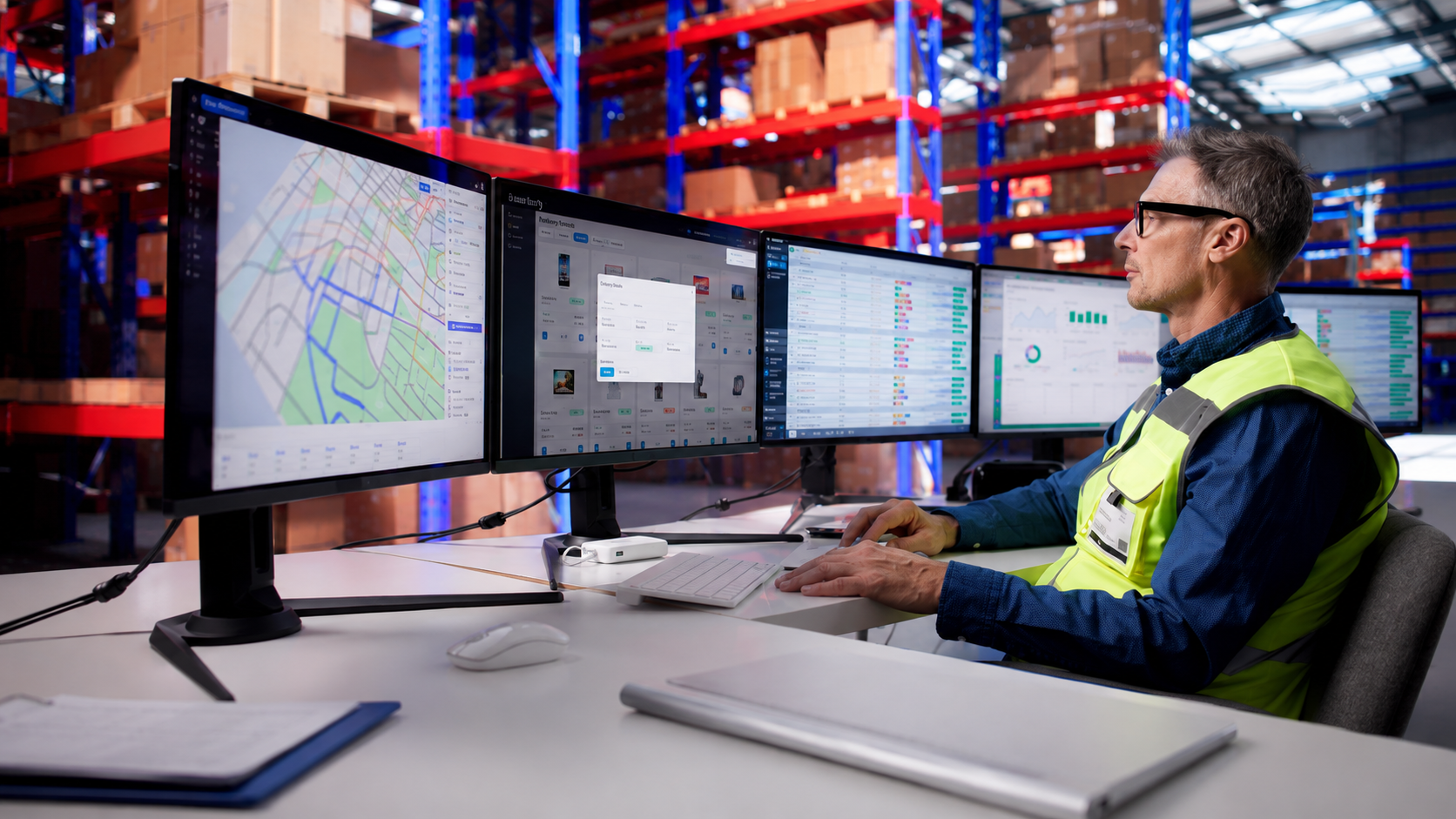
With Freight Review, you can:
See today’s consignments in one view
No switching systems to understand what’s moving.Spot unmanifested consignments early
So they don’t turn into missed pickups later.Filter by carrier service or customer
To focus on what matters in the moment.Monitor workload in real time
Total consignments, weight and activity levels.Drill into issues quickly
Access detailed consignment and delivery information when needed.Keep the view current throughout the day
Refresh data as operations progress.
It’s not built for reporting after the fact.
It’s built for running the day.
A Quick Reality Check
Think about your last busy dispatch window.
How long did it take to confirm everything was manifested?
How many times did your team double-check the same shipment?
How many issues only surfaced after it was too late to fix easily?
That’s where most operations lose time.
Not in the big decisions.
In the constant need to verify what’s already happening.
What Changes When You Can See Clearly
When your team has a clear operational view, things tighten up fast.
You act earlier
Issues don’t sit unnoticed.
You rely less on people chasing updates
The system shows you what matters.
You reduce noise across teams
Fewer calls. Fewer follow-ups.
You stay ahead of problems
Instead of reacting after the fact.
It’s not about adding more tools.
It’s about finally seeing what’s already there.
If You’re Still “Checking Everything”
That’s usually the signal.
If your day involves:
bouncing between systems
asking for updates
double-checking dispatch
reacting to issues late
Then the problem isn’t your team.
It’s the lack of a clear operational view.
See the Operation As It Runs
Freight operations don’t slow down because people aren’t working hard.
They slow down because teams can’t see clearly enough to act early.
Cario helps fix that — by giving operations managers a single, reliable view of daily freight activity.