

How Do I Manage Multiple Freight Carriers in One System in Australia?
05 June 2026

Managing multiple freight carriers across Australia can quickly become messy, with different portals, pricing models, tracking updates, and invoice processes creating extra admin for logistics teams. For growing businesses, a centralised freight management system helps simplify carrier management, improve visibility, reduce manual work, and give teams better control over freight performance.
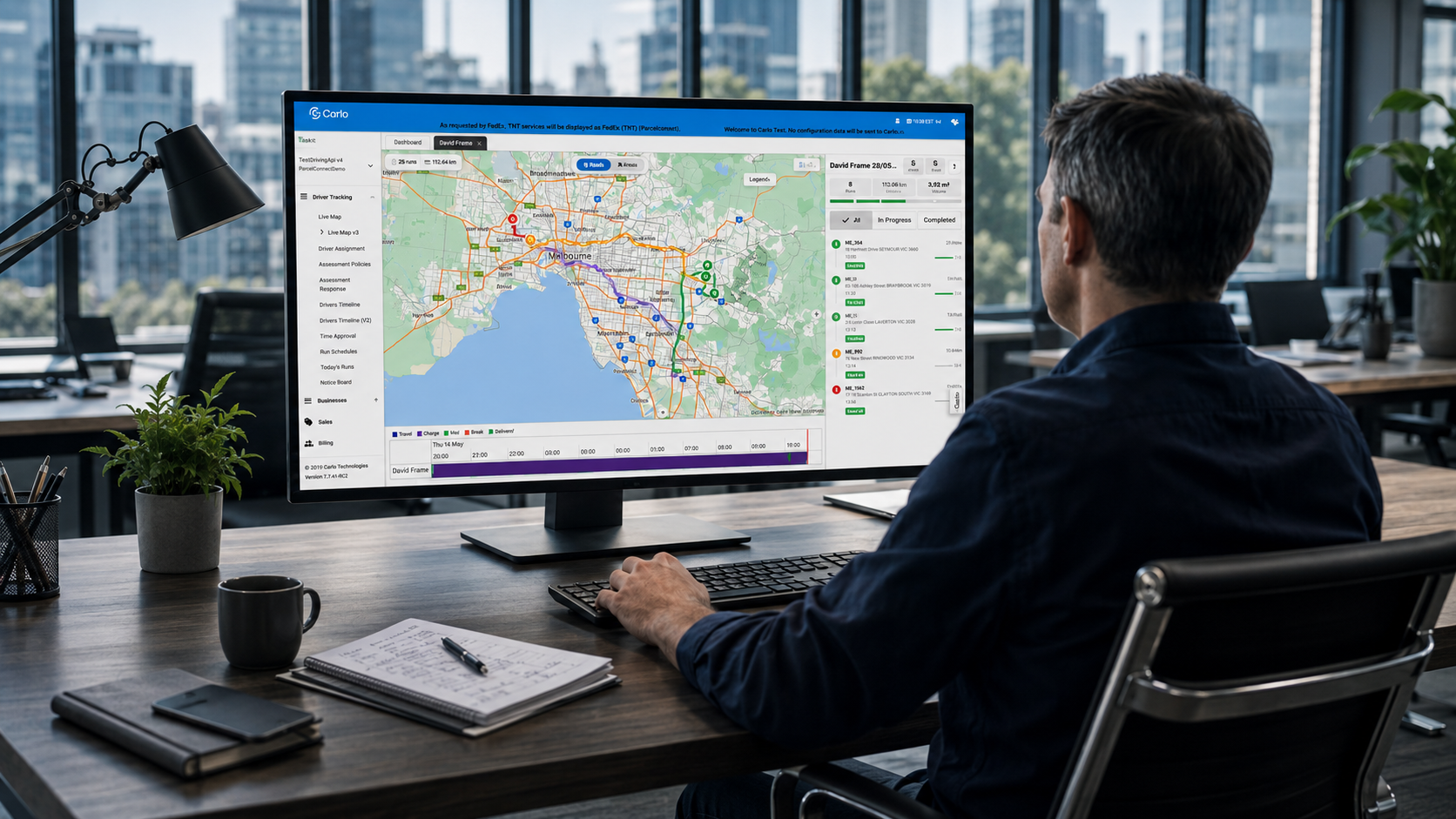
Monday morning, 8:17am.
Matt Myers — National Logistics Manager at a growing Australian wholesale distributor — opens his laptop to find:
12 unread carrier emails
A warehouse supervisor asking why a pallet hasn’t been collected
Customer service escalating five “Where’s my order?” requests
Finance querying a freight invoice variance
Sales pushing for urgent delivery commitments
By 9:30am, Matt hasn’t had his coffee yet — and he’s already logged into three different carrier portals.
Sound familiar?
For logistics leaders managing national distribution across Australia, coordinating multiple freight carriers isn’t just complex — it can quietly become one of the biggest operational bottlenecks in the business.
In this article, we’ll explore why multi-carrier freight management is so challenging, what modern logistics teams are doing differently, and how platforms like Cario are helping Australian enterprises regain control.
Why Managing Multiple Freight Carriers in Australia Is So Complex
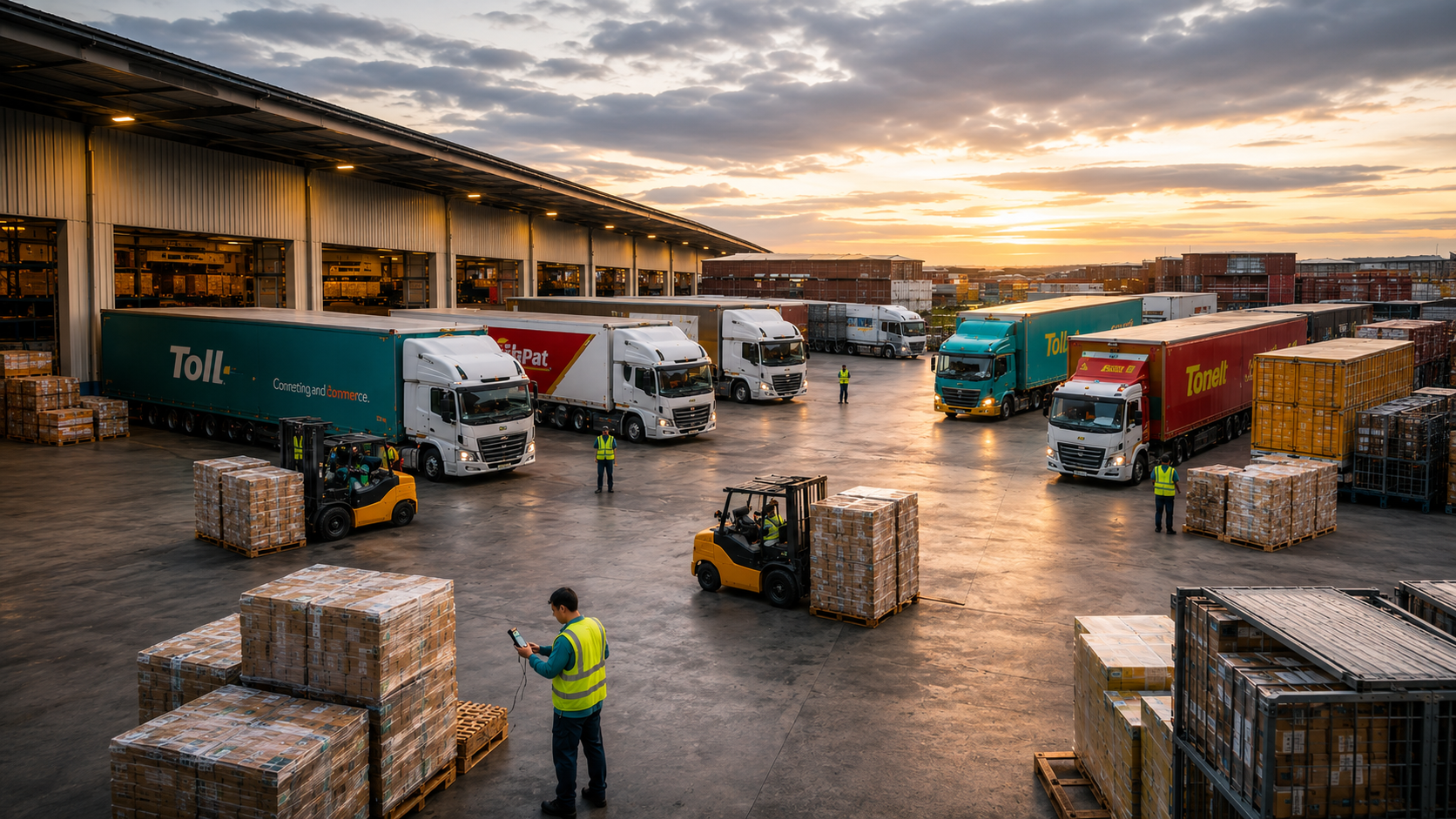
Australia’s freight landscape is uniquely fragmented.
National distributors often rely on:
Parcel carriers for metro deliveries
Pallet carriers for interstate freight
Bulky item specialists for oversized consignments
Regional carriers for remote coverage
Dangerous goods compliant transport providers
Each carrier brings:
Different service levels
Different booking processes
Different pricing models
Different tracking capabilities
Different surcharge structures
For logistics managers running 3–10 warehouses and shipping thousands of consignments per month, this creates a system that is operationally fragile.
Even well-resourced teams using ERP platforms like NetSuite or SAP quickly discover that native freight modules were never designed to manage real-world multi-carrier complexity.
The Hidden Cost of Multi-Carrier Chaos
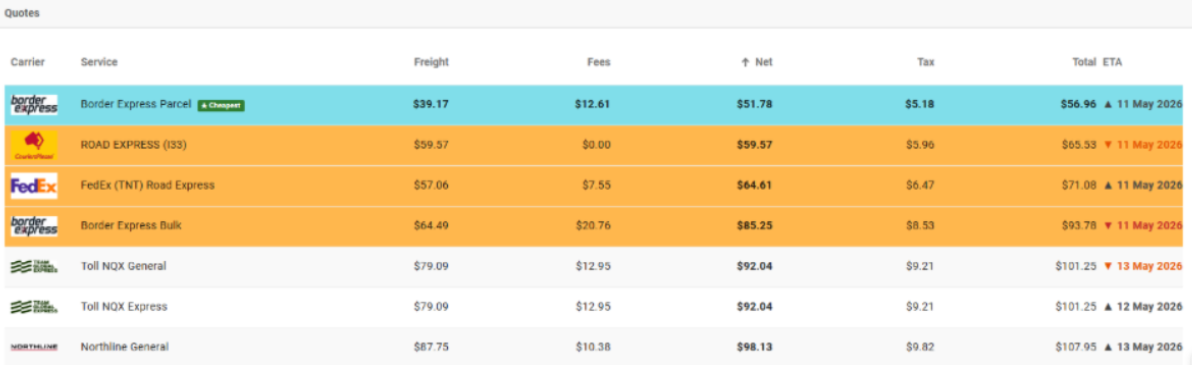
On paper, working with multiple carriers improves flexibility and negotiating power.
In practice, it often introduces hidden operational drag.
Fragmented Carrier Management
Teams juggle 10–30 carrier relationships, each with its own portal and workflow.
Warehouse staff may book jobs in one system.
Customer service tracks them in another.
Finance only sees the impact weeks later at invoice time.
There is no single source of truth.
Manual Grunt Work That Doesn’t Scale
Logistics coordinators can spend 4–6 hours per day:
Exporting CSV files
Comparing rate sheets
Requesting quotes
Updating shipment statuses
Responding to internal tracking requests
As volumes grow, this admin burden grows linearly — forcing businesses to add headcount instead of improving productivity.
Visibility Black Holes
Without a real-time freight tracking system for B2B operations, customer service becomes the visibility layer.
This often means:
50+ WISMO (“Where is my order?”) calls daily
Sales teams manually chasing updates
Customers losing confidence in delivery commitments
Delivery delays become communication failures.
Surprise Freight Costs
One of the biggest frustrations logistics leaders face is discovering unexpected freight charges after the fact.
Common causes include:
Tailgate fees
Residential surcharges
Time-slot penalties
Re-delivery charges
Fuel fluctuations
Finance teams may uncover $50,000–$200,000 in unbudgeted accessorial fees at quarter-end.
Manual freight invoice reconciliation software or spreadsheet processes can consume 40+ hours per month — and still miss recoverable credits.
Growth Bottlenecks
Many mid-market distributors aim to grow consignments 50–100% over 3–5 years.
But if freight processes remain manual:
New carriers take months to onboard
New warehouses introduce operational risk
Peak season exposes every workflow weakness
Q4 often becomes a cycle of overtime, stress, and customer complaints.
What Modern Logistics Teams Are Doing Differently
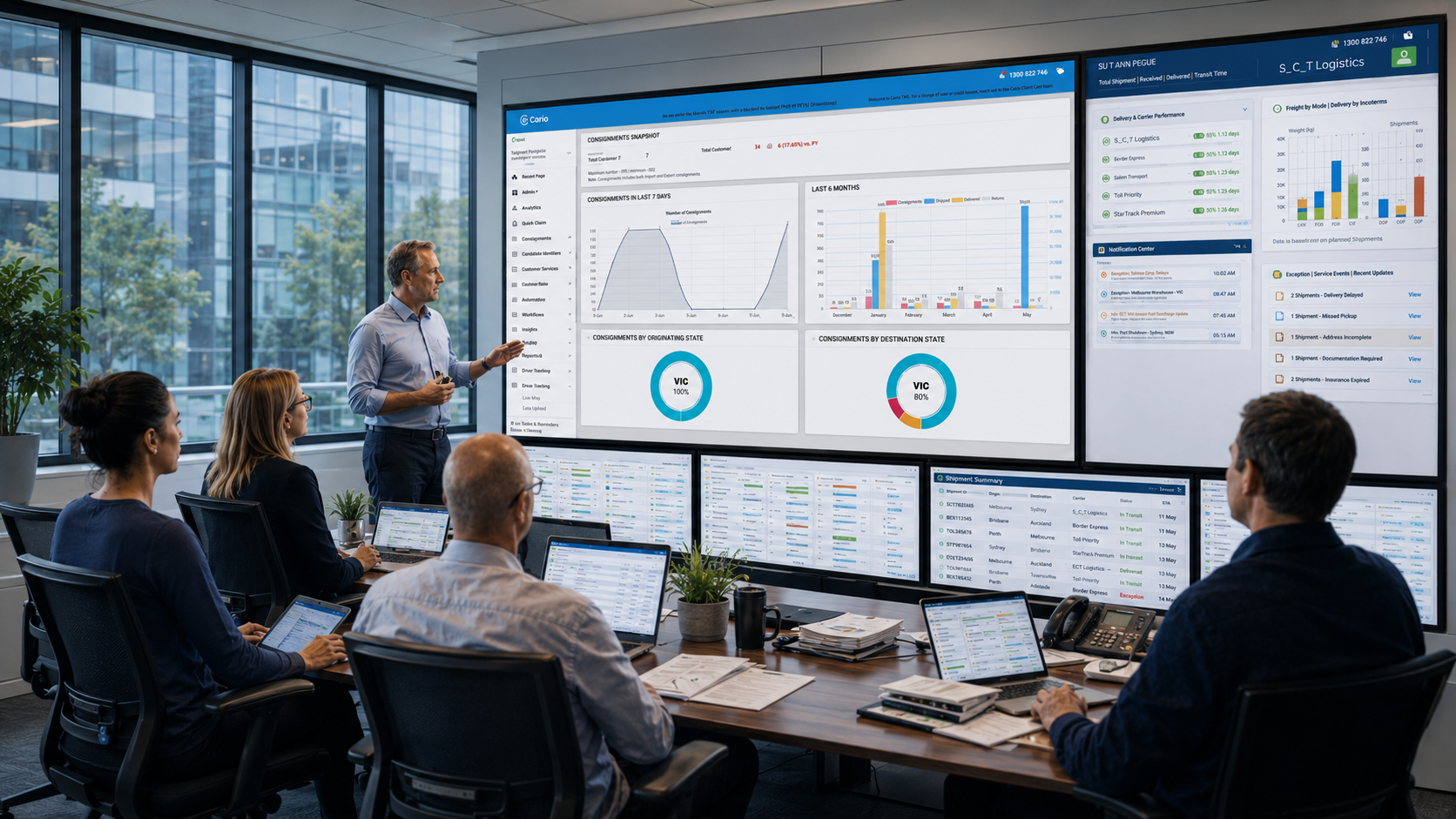
Forward-thinking supply chain leaders are shifting away from fragmented carrier management toward centralised orchestration.
This is where enterprise freight management systems come into play.
Modern platforms enable:
Centralised multi-carrier booking
Automated rate selection
Standardised workflows across warehouses
Shipment visibility for internal teams and customers
Performance analytics across carriers
Automated invoice validation
Seamless ERP integration
Instead of managing freight as a series of disconnected transactions, logistics becomes a coordinated, data-driven process.
Introducing a Purpose-Built Australian Solution
Cario is an Australian-built multi-carrier shipping platform designed specifically for enterprises managing national freight networks.
Rather than replacing existing systems, Cario sits between ERP, warehouse operations, and carriers — orchestrating the freight layer.
Key capabilities include:
Connectivity with a broad Australian carrier network
Scalable architecture supporting high shipment volumes
Real-time tracking visibility and proactive notifications
Analytics dashboards and exception reporting
Rules engine automation for carrier selection
Integration pathways for NetSuite freight integration and SAP transportation management integration
Automated freight invoice reconciliation workflows
Most importantly, it helps logistics teams hide the complexity of managing multiple carriers.
How Cario Solves the Biggest Multi-Carrier Logistics Problems
Pain: Fragmented carrier portals
Operational impact: Inconsistent processes and booking errors
How Cario helps:
Centralises all carrier interactions into one workflow — enabling warehouse teams to book shipments without needing carrier-specific knowledge.
Pain: Manual rate comparison
Operational impact: Lost productivity and suboptimal carrier selection
How Cario helps:
Automates carrier selection using configurable rules based on cost, service level, delivery zone, or business priorities.
Pain: Lack of shipment visibility
Operational impact: High WISMO volume and customer frustration
How Cario helps:
Provides real-time tracking access for logistics, customer service, and end customers — reducing reactive communication.
Pain: Freight cost unpredictability
Operational impact: Budget variance and financial surprises
How Cario helps:
Supports freight cost optimization platforms by validating expected charges against invoices and highlighting discrepancies early.
Pain: Growth constraints
Operational impact: Headcount increases required to handle volume
How Cario helps:
Standardises workflows so new warehouses or carriers can be onboarded without redesigning processes.
Turning Logistics Into a Strategic Advantage
For logistics leaders like Matt, the biggest shift isn’t just operational, it’s strategic.
With the right FMS & TMS software in Australia, logistics teams can:
Present carrier performance insights to CFOs
Improve DIFOT (Delivery In Full On Time) metrics
Reduce freight spend through data-driven decisions
Enable scalable national distribution
Support customer experience initiatives
Freight stops being viewed as a cost centre — and starts becoming a competitive differentiator.
Checklist: FMS Tender Criteria for Australian Enterprises
If your organisation is evaluating a freight management software solution in Australia, consider using this simple framework:
✔ Does it integrate with your ERP (NetSuite, SAP, Dynamics)?
✔ Does it support your full carrier mix — parcel, pallet, bulky, DG?
✔ Can it provide real-time tracking visibility across all shipments?
✔ Does it automate freight invoice reconciliation?
✔ Has it proven scalability at enterprise shipment volumes?
✔ Does it provide meaningful analytics and performance benchmarking?
✔ How long does onboarding typically take?
✔ Can it support national warehouse rollouts?
Cario offers a detailed FMS Tender Criteria Checklist designed specifically for Australian logistics teams.
Download the checklist to structure your evaluation and avoid costly implementation mistakes.
The Future of Multi-Carrier Freight Management
As supply chains become more complex and customer expectations rise, managing freight through fragmented tools is becoming unsustainable.
Logistics leaders who invest in visibility, automation, and orchestration will be better positioned to:
Scale operations without operational strain
Strengthen customer trust
Navigate peak season confidently
Unlock continuous freight cost improvement
For enterprises operating across Australia’s diverse freight landscape, centralising carrier management isn’t just an efficiency play — it’s a strategic move toward long-term resilience.
And for Matt — it might finally mean drinking his coffee before 9am.